Caffeine Around the World: Cultural Consumption Habits
• By CaffCalc Team
Caffeine Around the World: Cultural Consumption Habits
You’ve probably never thought of your morning coffee as a cultural artifact. But that paper cup you’re clutching? It’s part of a global tapestry of rituals, traditions, and social bonds that stretch from Italian espresso bars to Japanese tea ceremonies.
Caffeine isn’t just fuel—it’s how entire societies wake up, connect, and mark the rhythm of their days. And understanding these patterns reveals surprising truths about health, timing, and why your caffeine habit might need a rethink. Let’s tour the world’s sipping habits, backed by science, and find out what you can learn from cultures that have been perfecting their caffeine game for centuries.
Why Culture Shapes Caffeine Habits (And Why It Matters for You)
Caffeine routines aren’t random. They’re shaped by history, climate, trade routes, and social norms.
In Vienna, coffeehouses became intellectual hubs in the 18th century. In China, tea ceremonies encoded mindfulness and respect. In the United States, drive-thru coffee reflects a culture of speed and convenience.
These traditions influence how much people drink, when they drink it, and how they experience caffeine’s effects.
Why this matters for your health:
Research shows that caffeine timing, dose, and individual sensitivity all impact sleep, focus, and long-term health. The European Food Safety Authority (EFSA) found that up to 400 mg per day is generally safe for healthy adults—but that’s a ceiling, not a target. Pregnant women should limit intake to 200 mg, and individual responses vary widely.
Understanding global patterns helps you see where your habits fall on the spectrum—and whether cultural norms are helping or hindering your goals.
The Science Behind Caffeine’s Effects (In Plain Language)
Caffeine works by blocking adenosine receptors in your brain. Adenosine builds up during the day and makes you feel sleepy. When caffeine blocks these receptors, you feel more alert.
But there’s a catch: your brain adapts. Over time, you build tolerance, meaning you need more caffeine to get the same effect. And if you stop suddenly, withdrawal symptoms kick in—headaches, fatigue, irritability.
Key takeaways for daily life:
- Caffeine improves alertness and performance in many contexts, but not all. It doesn’t replace sleep.
- Timing matters. Caffeine consumed even 6 hours before bed can reduce sleep quality, according to research published in the Journal of Clinical Sleep Medicine.
- Individual responses vary wildly. Some people metabolize caffeine quickly; others feel jittery for hours after a single cup.
The 400 mg guideline is a starting point. Your actual safe amount depends on body weight, pregnancy status, medications, and genetics.
How Different Cultures Consume Caffeine (Highlights by Region)
Europe: Coffee as Social Glue
In many European countries, coffee culture emphasizes ritual over convenience. Think long afternoons at outdoor cafes, not rushed drive-thru runs.
Italy: Espresso is consumed standing at a bar, often in 30 seconds. Small servings (about 30-50 mg per shot) mean Italians can drink multiple times per day without exceeding safe limits.
Scandinavia: Finland, Norway, and Sweden rank among the world’s highest per-capita coffee consumers. Coffee breaks (fika in Sweden) are social institutions, blending work breaks with connection.
Why it works: Small, frequent doses spread caffeine intake across the day, reducing the risk of late-day sleep disruption.
United States: Variety and Volume
Americans consume caffeine from coffee, tea, energy drinks, soda, and supplements. This diversity means hidden caffeine sources often push daily intake higher than expected.
Typical pattern: Large morning coffee (150-200 mg), afternoon energy drink (80-160 mg), possible evening tea or soda (20-50 mg).
Risk: Late-day caffeine can interfere with sleep, even if consumed hours before bed. The NIH emphasizes that timing matters as much as total dose.
Asia and the Pacific: Tea as Tradition
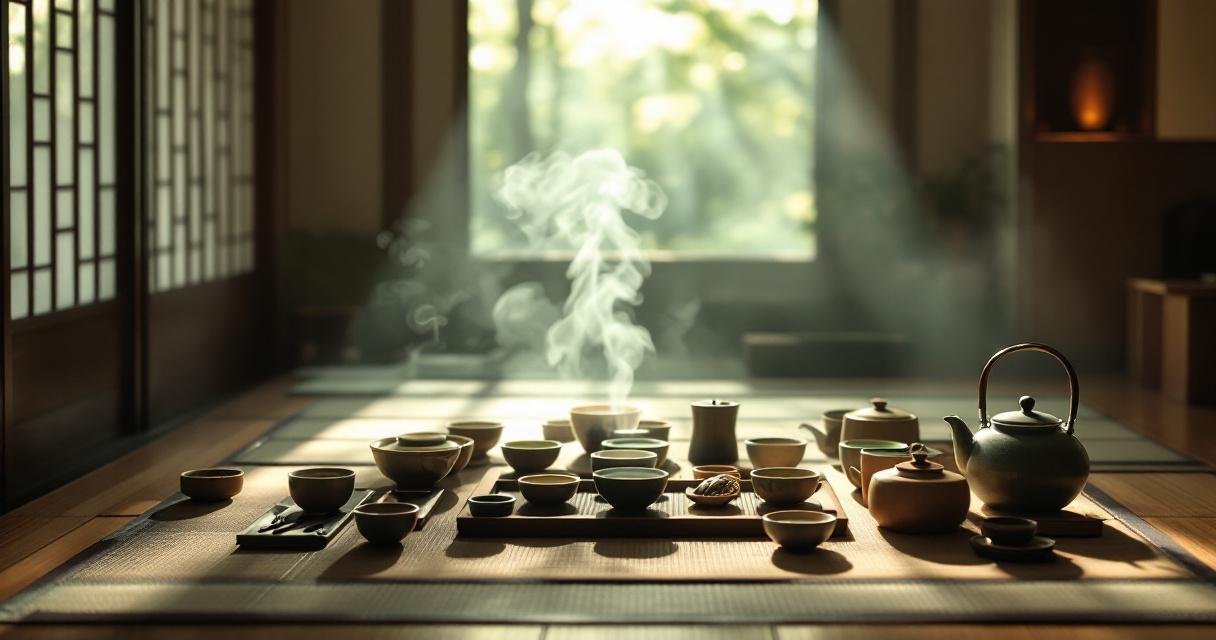
In China, Japan, and India, tea ceremonies and traditional infusions reflect centuries of ritual. Caffeine content varies widely by tea type:
- Green tea: 20-45 mg per cup
- Black tea: 40-70 mg per cup
- Matcha: 70 mg per cup (higher because you consume whole tea leaves)
Why it works: Lower caffeine per serving encourages mindful consumption. Tea rituals naturally slow intake and promote relaxation.
Modern shift: Urban centers in Asia are embracing coffee culture, blending traditional tea habits with Western-style cafes. This increases total daily caffeine loads, especially among younger generations.
Middle East and North Africa: Coffee with a Kick
Turkish, Arabic, and Ethiopian coffee traditions often involve strong, unfiltered brews consumed in small quantities. Social settings emphasize hospitality and conversation.
Typical caffeine content: 50-100 mg per small cup, consumed slowly over hours.
Why it works: Social context naturally regulates intake. You’re not chugging coffee alone at your desk—you’re sipping it during extended conversations.
Practical Tips for Honoring Culture While Optimizing Caffeine Use
1. Learn from European Portion Control
Cultural insight: Italians drink multiple espressos daily (30-50 mg each) without exceeding safe limits. Americans often consume single large servings (150-200 mg) that front-load their daily dose.
Why it works: Smaller, more frequent servings spread caffeine throughout the day and reduce the risk of jitters or late-day crashes.
Action step: Log every caffeinated item for one week. Count your daily caffeine intake with CaffCalc to see where you stand. Consider splitting your morning coffee into two smaller servings, Italian-style, consumed hours apart.
2. Adopt Scandinavian Timing Patterns
Cultural insight: Swedish fika (coffee breaks) are concentrated in morning and early afternoon—rarely after 3 PM. This cultural norm naturally protects evening sleep quality.
Why it works: Caffeine has a half-life of 3-5 hours in most people. Even if you feel fine, residual caffeine can disrupt deep sleep stages. Scandinavian timing patterns honor social connection while respecting circadian rhythms.
Action step: Set a caffeine cutoff 6-8 hours before bedtime, following the Scandinavian model. If you sleep at 10 PM, stop caffeine by 2-4 PM. Replace late-day coffee with herbal tea to keep the ritual without the sleep disruption.
3. Honor Local Rituals—But Adapt When Needed
Why it works: Cultural practices offer social benefits. Swapping late-day caffeine for decaf or herbal tea preserves the ritual while protecting sleep.
Action step: Keep your afternoon coffee break, but order decaf after 2 PM. You get the social connection without the sleep disruption.
4. Embrace Tea Culture During Sensitive Life Stages
Cultural insight: Traditional Asian tea culture offers naturally lower caffeine options (20-70 mg per cup vs. 95+ mg in coffee) while preserving ritual and social connection.
Why it works: Pregnancy, breastfeeding, and certain health conditions require stricter limits (EFSA recommends 200 mg per day for pregnant women). Switching to tea allows you to stay within guidelines without abandoning comforting routines.
Action step: If you’re pregnant, nursing, or managing a health condition, consider adopting a tea-forward approach inspired by Chinese and Japanese traditions. Use CaffCalc to track intake and consult your healthcare provider for personalized guidance.
5. Follow Middle Eastern Hospitality Traditions
Cultural insight: Turkish and Arabic coffee traditions pair strong coffee with food, water, and extended conversation. This hospitality ritual naturally slows consumption and creates mindful spacing between servings.
Why it works: Hydration and food intake influence how your body processes caffeine. Drinking coffee on an empty stomach can cause jitters and stomach upset. The Middle Eastern approach of pairing coffee with nourishment prevents these issues.
Action step: Adopt the Middle Eastern practice—pair morning coffee with breakfast and a glass of water. Never rush your coffee. Create a 10-15 minute ritual that honors both your body’s needs and the social tradition of mindful consumption.
6. Compare Your Habits to Global Patterns
Cultural insight: Different cultures have vastly different caffeine norms—from Finland’s 12 kg per capita yearly coffee consumption to Japan’s tea-centered approach. Seeing where you fall on this spectrum reveals whether your habits align with your health goals.
Why it works: Awareness without judgment helps you make intentional choices. You might discover you’re closer to high-consumption cultures when your goals align better with moderate-consumption traditions.
Action step: Use CaffCalc to track your weekly average and compare it to cultural patterns discussed in this article. Set a gentle goal inspired by a culture whose approach resonates with you (e.g., “I’ll try Italian-style espresso timing” or “I’ll explore Japanese tea mindfulness”).
Frequently Asked Questions
Q: Different cultures consume vastly different amounts of caffeine daily. What’s actually safe?
Most health authorities recommend up to 400 mg per day for healthy adults—but cultural patterns show this limit isn’t a target. Italians might drink 5-6 espressos (150-300 mg total) while Finns consume 12+ kg of coffee yearly (averaging 600+ mg/day for heavy consumers). Individual factors—body weight, pregnancy status, medications, genetics—matter more than cultural norms. The Finnish example shows some populations tolerate higher amounts, but you should start with the 400 mg guideline and adjust based on your sleep quality, anxiety levels, and how you feel.
Q: Why do Scandinavians stop drinking coffee by mid-afternoon while Americans drink it all day?
Scandinavian culture naturally protects sleep quality—fika traditions concentrate caffeine in the morning and early afternoon, rarely extending past 3 PM. Research confirms their instinct: caffeine consumed even 6 hours before bed can reduce total sleep time by over an hour. American patterns (afternoon energy drinks, evening sodas) explain why sleep issues are more prevalent despite similar overall caffeine consumption. The difference isn’t genetics—it’s timing. If you struggle with sleep, adopt the Scandinavian cutoff pattern and notice the difference within a week.
Q: Are there cultural differences in how people view caffeine’s benefits?
Absolutely. In Italy, espresso is about social connection. In Scandinavia, coffee breaks are work-life balance rituals. In the U.S., caffeine is often productivity fuel. These cultural lenses shape consumption patterns and health outcomes.
Q: How do different cultures handle caffeine during pregnancy and breastfeeding?
Traditional Asian cultures offer a useful model: expectant mothers often shift from coffee to tea, naturally reducing caffeine while preserving ritual. A cup of green tea (20-45 mg) or black tea (40-70 mg) keeps you within the EFSA-recommended 200 mg daily limit for pregnancy and breastfeeding, while maintaining the comfort of a warm beverage ritual. Middle Eastern cultures also moderate consumption during pregnancy through smaller serving sizes and extended spacing between cups. You don’t have to quit entirely—adopt a tea-forward approach inspired by these traditions and consult your healthcare provider for personalized guidance.
Q: What can we learn from cultures with naturally lower caffeine consumption?
Tea-drinking cultures in Asia never developed the high-dose tolerance that coffee cultures did—their gradual, lower-caffeine approach (20-70 mg per serving vs. 95+ mg in coffee) naturally prevents the dependency cycle. If you want to reduce caffeine, mimic this pattern: replace one coffee with tea each week. Taper gradually by reducing intake by 25-50 mg every 2-3 days. If you currently consume 400 mg daily (about 4 coffees), replace one with green tea (drop to 320 mg), wait a few days, then replace another. This slow reduction—inspired by how tea cultures naturally moderate intake—prevents withdrawal headaches and fatigue while your brain adjusts.
Conclusion: Blend Tradition with Science
Caffeine culture is beautifully diverse—from slow-sipped espresso in Rome to ceremonial matcha in Kyoto. But no matter where you are, the science is clear: timing, dose, and individual sensitivity matter for sleep, focus, and long-term health.
You don’t need to abandon your morning ritual. You just need to understand how your habits stack up and make small tweaks that honor both culture and well-being.
Start here: Calculate your total daily caffeine with CaffCalc and see how your intake compares to global patterns and health guidelines. Then experiment with timing adjustments, gradual reductions, or smarter substitutions.
Your caffeine habit is personal. Make it intentional.
References & Further Reading
Scientific sources supporting this article:
- EFSA: Safety of caffeine
- EFSA: Caffeine intake guidance
- MedlinePlus: Caffeine
- Sleep Foundation: Caffeine and Sleep
- NIH News in Health: Tired or Wired
- NCBI Bookshelf: Caffeine
- Journal of Clinical Sleep Medicine: Caffeine effects on sleep
- FDA: Spilling the Beans on Caffeine
Medical Disclaimer: This article is for informational purposes only and does not constitute medical advice. Consult with a healthcare provider before making significant changes to your caffeine intake, especially if you have underlying health conditions, take medications, or are pregnant or nursing.