Caffeine and Skin Health: Real Effects, Limits, and Myths
• By CaffCalc Team
Caffeine and Skin Health: Real Effects, Limits, and Myths
Your morning cup might be doing more for your face than you think. Claims range from “coffee dehydrates your skin” to “caffeine eye cream erases dark circles,” but the truth is more nuanced—and more useful.
In this guide, we unpack what science actually says about caffeine’s effects on acne, rosacea, under-eye puffiness, hydration, and sun damage. You’ll get clear intake limits, simple dermatologist-aligned steps, and one quick way to tally your daily caffeine so your skin (and sleep) aren’t the price of productivity.
Why Caffeine and Skin Health Matter
Your skin reacts to what you drink and how you sleep. Caffeine influences both.
It can sharpen alertness, but too much—or poor timing—can fragment sleep, drive stress hormones, and aggravate breakouts indirectly. On the flip side, coffee’s bioactive compounds (like chlorogenic acids) and caffeine itself have been linked to lower risk of certain skin conditions in observational research.
With smart dosing and timing, most people can enjoy caffeine without derailing skin goals. Here’s what readers ask most:
- Will coffee cause acne? No strong evidence that caffeine itself causes acne; diet patterns, added sugars/dairy, and sleep loss matter more.
- Can caffeine help rosacea or redness? Large cohort data link caffeinated coffee with lower rosacea risk, though this doesn’t replace treatment.
- Do caffeine eye creams work? They may reduce puffiness temporarily via blood-vessel effects; expectations should be modest.
- Does caffeine dehydrate skin? Moderate intake does not cause net dehydration in habitual users.
- How much is safe? For most healthy adults, up to about 400 mg/day; pregnant individuals should stay near 200 mg/day.
The Science of Caffeine and Your Skin
Think of caffeine as a gentle accelerator. It blocks adenosine receptors, sharpening alertness, and influences blood vessels and hormones that can show up on your skin.
Key mechanisms worth knowing:
- Vessels: Caffeine can constrict small blood vessels (vasoconstriction) in some skin sites while improving endothelial reactivity in others—effects that may transiently reduce puffiness or redness.
- Sleep link: Research suggests a 400 mg dose even six hours before bed measurably disrupts sleep, which can raise cortisol and worsen acne in susceptible people.
- Hydration: While caffeine increases urine output at higher doses, studies and reviews show typical intakes don’t cause net dehydration—good news for your skin barrier.
- Photoprotection (early-stage): Preclinical research suggests topical or combined formulas with caffeine may enhance UV damage control and complement sunscreens, but human clinical data are still limited compared with standard UV filters and antioxidants.
Key takeaways:
- Caffeine timing affects sleep; sleep affects skin. Keep caffeine earlier to protect nightly repair.
- Moderate caffeine does not “dry out” skin for most people. Hydration comes from total fluids, not water alone.
- Observational links suggest benefits (e.g., rosacea risk) for caffeinated coffee, not necessarily for decaf or other caffeine sources.
What Research Says About Specific Skin Concerns
Acne: Caffeine Itself Isn’t the Main Culprit
There’s no strong evidence that caffeine directly causes acne. Diet patterns—especially high glycemic load foods and certain dairy products—are more consistently linked to breakouts. Late-day caffeine can also disrupt sleep, indirectly aggravating acne through stress pathways.
Reviews from dermatology organizations connect higher acne risk with high glycemic load and dairy (including skim milk). If your “coffee” is really a sugary, dairy-heavy drink, the add-ins—not the caffeine—may be the problem.
Small trials and a meta-analysis suggest topical or oral green tea extracts can help mild acne via anti-inflammatory effects. Caffeine isn’t the primary driver here, but it often coexists in tea.
Rosacea and Facial Redness: A Coffee Connection
A large Nurses’ Health Study analysis found women who drank four or more cups of caffeinated coffee per day had a significantly lower risk of incident rosacea versus rare coffee drinkers. Decaf and other caffeine sources didn’t show the same association.
While this doesn’t prove cause and effect, it challenges the idea that all caffeine worsens facial redness. If you have rosacea, discuss your coffee habit with your dermatologist rather than automatically cutting it out.
Under-Eye Puffiness: Temporary, Not Transformative
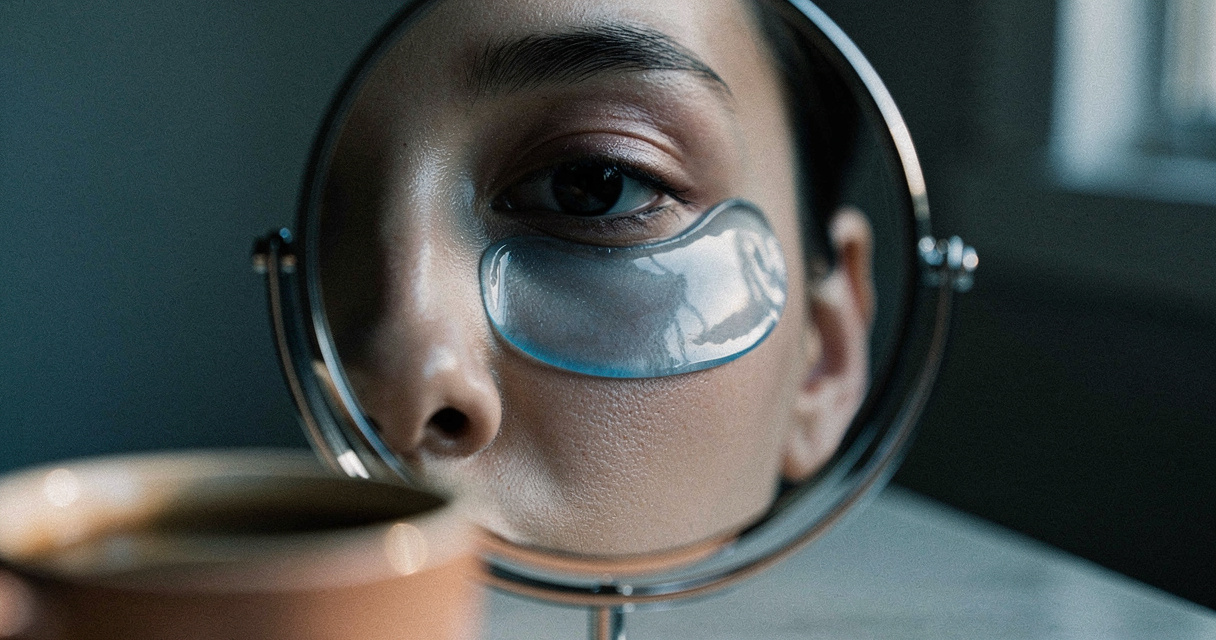
Topical caffeine may temporarily reduce puffiness by constricting blood vessels and shifting fluid, but results are modest and short-lived. Human skin microcirculation research after caffeinated coffee shows site-specific vascular responses; under-eye products leverage similar vasoregulatory principles.
Manage expectations and pair with adequate sleep and sun protection for meaningful results.
Sun Damage and Aging: Promising Adjunct, Not a Sunscreen
Animal and laboratory work shows caffeine can promote removal of UV-damaged cells and may boost the protective performance of sunscreens in formulations. However, standard, broad-spectrum SPF remains the foundation.
Consider caffeine-containing products as add-ons, not replacements for proper sun protection.
Hydration and the Skin Barrier: Coffee Counts Toward Fluids
Contrary to the myth, moderate caffeine intake in habitual users does not lead to net dehydration. Coffee and tea still contribute to daily fluids, which support skin barrier function.
Extremely high or bolus doses may increase urine output, but typical patterns are fine for most people.
Practical Ways to Enjoy Caffeine Without Compromising Skin
Here’s how to align your coffee and tea habit with clear skin goals and healthy sleep.
1. Stay Within Safe Daily Limits
- Most healthy adults: Aim for ≤400 mg caffeine/day (about 3–4 eight-ounce coffees, depending on brew). This aligns with FDA and EFSA guidance.
- Pregnancy and nursing: Target around 200 mg/day unless your clinician advises otherwise.
- Why it works: Staying within these ranges limits jitteriness, sleep disruption, and stress-hormone swings that can show up on your skin.
2. Front-Load Your Caffeine (Protect Your Sleep)
Cut off caffeine at least six hours before bedtime; earlier is better if you’re sensitive. For a 10:00 p.m. bedtime, keep your last cup before 4:00 p.m.
Why it works: Consolidated sleep restores barrier function and calms inflammatory pathways linked to acne and dullness.
3. Tame the Add-Ins
Choose unsweetened or lightly sweetened options. Consider dairy alternatives if milk correlates with your breakouts.
Why it works: Lower glycemic impact and reduced dairy exposure align with acne-friendly dietary patterns identified in dermatology research.
4. Hydrate on Purpose
Alternate coffee or tea with water or herbal tea. Don’t fear moderate caffeine for hydration—count your caffeinated beverages toward fluid needs.
Why it works: Adequate fluids support a resilient stratum corneum (the skin’s outer barrier), aiding comfort and glow.
5. Try Caffeine Topicals for Puffiness—Strategically
Use a thin caffeine gel or serum under the eyes in the morning. Chill the applicator for a short-term de-puff, and always pair with sunscreen.
Why it works: Temporary vasoconstriction can reduce morning swelling. SPF handles the real aging driver—UV radiation.
6. Keep Sunscreen Non-Negotiable
If you like a caffeinated antioxidant formula, use it under a broad-spectrum SPF 30+. Treat caffeine as a booster, not your shield.
Why it works: Evidence for caffeine’s photoprotection is early-stage. Sunscreens and proven antioxidants have stronger human data behind them.
7. Measure What You Actually Drink
Track caffeine from all sources—coffee, tea, sodas, energy drinks, pre-workouts. Labels vary widely, and most people underestimate their total.
Why it works: Knowing your true total keeps you inside skin-friendly limits. Count your daily caffeine from all sources with CaffCalc and see how your intake compares to recommended levels.
Frequently Asked Questions
Q: Does caffeine cause acne?
There’s no strong evidence that caffeine alone causes acne. Patterns that raise insulin (high glycemic foods) and certain dairy products are more consistently linked to breakouts. Late-day caffeine can also disrupt sleep, indirectly worsening acne. If “coffee” equals sugary, dairy-heavy drinks, consider lightening the add-ins.
Q: Are caffeine eye creams worth it?
They can help temporarily with puffiness by affecting small blood vessels and fluid dynamics, but results are modest and short-lived. Use them as a morning pick-me-up, not a replacement for sleep, sunscreen, or comprehensive skincare.
Q: Does coffee dehydrate my skin?
In moderate amounts, especially for regular users, caffeinated beverages do not cause net dehydration and still count toward daily fluid intake. Extremely high doses may increase urine output but don’t typically negate hydration when total fluids are adequate.
Q: Can coffee help with rosacea?
Observational data from a large cohort found lower rosacea risk among women who drank more caffeinated coffee. This doesn’t prove cause and effect or replace treatment, but it suggests caffeinated coffee isn’t universally a rosacea trigger.
Q: How much caffeine is safe for skin and overall health?
Most healthy adults can consume up to about 400 mg/day without general adverse effects. Pregnant individuals should target around 200 mg/day. Sensitivity varies—if you notice jitters, sleep loss, or palpitations at lower doses, scale back.
Conclusion: Enjoy Your Coffee—Smartly
Caffeine can fit into a skin-friendly routine when you respect dose and timing. Keep daily intake near 400 mg (about 3–4 small cups), front-load it to protect sleep, skip the sugary add-ins, and treat caffeine topicals as short-term helpers—while sunscreen does the heavy lifting.
For deeper guidance on safe intake levels, see our health advice page.
References & Further Reading
Scientific sources supporting this article:
- FDA: Spilling the Beans—How Much Caffeine Is Too Much?
- EFSA Scientific Opinion: Safety of Caffeine (2015)
- Mayo Clinic: Caffeine—How Much Is Too Much?
- Mayo Clinic: Do Caffeinated Drinks Hydrate You as Well as Water?
- Drake et al. Caffeine Effects on Sleep Taken 0, 3, or 6 Hours Before Going to Bed (J Clin Sleep Med, 2013)
- Killer et al. No Evidence of Dehydration with Moderate Daily Coffee Intake (PLoS One, 2014)
- Li et al. Acute Effects of Caffeinated Coffee on Skin Microvascular Function (Microvasc Res, 2017)
- Li et al. Association of Caffeinated Coffee Intake with Risk of Rosacea (JAMA Dermatology, 2018)
- American Academy of Dermatology: Role of Diet in Acne
- Kim et al. Green Tea Extract for Acne: Systematic Review and Meta-Analysis (Phytother Res, 2021)
- Lu et al. Caffeine and Ultraviolet Irradiation: Implications for Skin Cancer Prevention (Cancer Res, 2002)
- Saewan & Jimtaisong. Photoprotection of Natural Flavonoids (J Appl Pharm Sci, 2013)
Medical Disclaimer: This article is for informational purposes only and does not constitute medical advice. Consult with a healthcare provider before making significant changes to your caffeine intake, especially if you have underlying health conditions, take medications, or are pregnant or nursing.