Caffeine and Cortisol: A Safe, Science-Based Stress Guide
• By CaffCalc Team
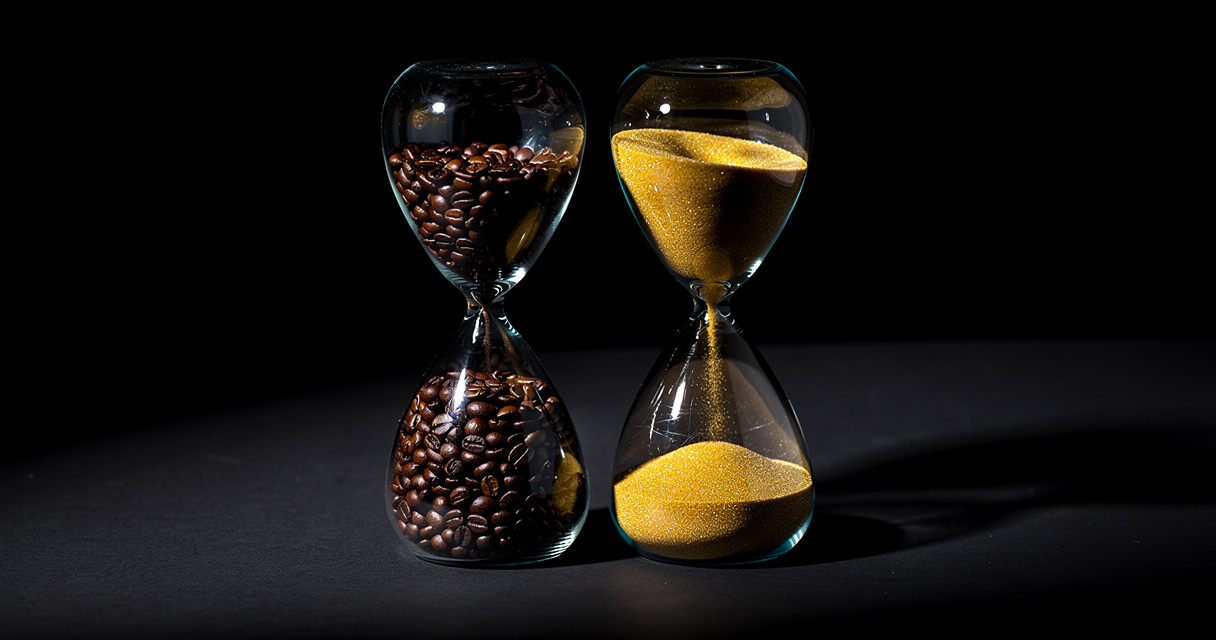
Caffeine and Cortisol: Managing Stress Safely
Your morning coffee wakes you up—but so does your own body. Cortisol, your main stress hormone, surges naturally each morning to get you moving. Caffeine adds a second jolt on top. Together, they can sharpen your focus or, if mistimed, leave you jittery and wired by noon.
The good news? You don’t need to quit coffee to feel calmer. By understanding how caffeine interacts with cortisol and following a few timing and dose rules, you can enjoy your brew and protect your sleep, mood, and health. This guide breaks down the science into steps you can use today.
Why Caffeine and Cortisol Matter for Your Daily Energy
Cortisol follows a natural daily rhythm. It peaks soon after waking, then gradually declines through the day. That morning surge helps you feel alert without any coffee at all.
Caffeine adds extra stimulation by blocking adenosine—a chemical that builds sleep pressure—and can also raise cortisol, especially during stress or with larger doses. Used well, caffeine lifts focus when you need it most. Used carelessly, it can amplify jitters, briefly bump up blood pressure, and interfere with sleep.
Here’s where it gets circular: poor sleep keeps cortisol elevated the next day, which makes you reach for more caffeine, which disrupts the following night’s sleep. Breaking that loop is the central goal of this guide.
The Science of Caffeine, Cortisol, and Your Daily Rhythm
Caffeine works by blocking adenosine receptors in the brain. That delays sleepiness and can improve reaction time and alertness. Cortisol, produced by your HPA axis (hypothalamus–pituitary–adrenal), is highest shortly after you wake and then falls steadily.
Two key interactions matter:
- Caffeine can raise cortisol, particularly under mental stress and with repeated or higher doses. Research suggests caffeine and stress can act together to elevate cortisol beyond what stress alone produces.
- The cortisol awakening response (CAR) is a natural spike in the first 30–45 minutes after waking. Some people find caffeine feels smoother if they wait until after this spike begins to ease.
In plain language: if you layer a big dose of caffeine on top of an already high-cortisol moment—like a stressful morning meeting—you may feel extra wired. If you add caffeine late in the day, you risk cutting into sleep. And short sleep itself keeps cortisol higher the next day.
Key facts, simplified:
- A typical safe ceiling for healthy adults is about 400 mg of caffeine per day (roughly 3–4 eight-ounce cups of brewed coffee), though sensitivity varies.
- Research indicates that caffeine consumed even 6 hours before bedtime can measurably reduce total sleep time for many people.
- Caffeine can cause a short-term rise in blood pressure, especially in people who aren’t regular users or who are sensitive.
- Pure or highly concentrated caffeine powders and liquids are hazardous and should be avoided.
Practical Ways to Manage Caffeine and Cortisol—Without Quitting Coffee
1. Set a Personal Daily Limit (and Track It)
Why it works: Keeping total intake near or below 400 mg per day helps most adults enjoy benefits without magnifying stress, anxiety, or sleep problems. Sensitivity differs—some people feel jittery above 200 mg—so you may need less.
Count ALL sources: coffee, tea, energy drinks, soda, chocolate, and medications. A single espresso shot has roughly 63 mg, while a 16-oz cold brew can pack 200 mg or more.
Pro tip: Not sure where you stand? Count your daily caffeine from all sources with CaffCalc to see how your total compares to typical ranges.
2. Time Caffeine After Your Natural Morning Cortisol Surge
Why it works: Cortisol rises rapidly after waking and peaks around 30–45 minutes. Waiting 60–90 minutes before your first caffeinated drink avoids stacking stimulant effects on top of your natural peak and may reduce the mid-morning crash for sensitive individuals.
Evidence on the “perfect” delay is still limited, so treat this as an experiment. Try starting caffeine 60–90 minutes after waking for one week and compare how you feel.
3. Set a Reliable Caffeine Cutoff for Sleep
Why it works: Sleep and cortisol regulate each other. Protecting sleep is the fastest way to steady daytime energy and mood.
As a rule of thumb, stop caffeine at least 6 hours before bedtime. If you consume larger doses (300–400 mg at once) or sleep lightly, extend that to 8–10 hours. For example, with a 10:00 PM bedtime, finish your last small coffee by 4:00 PM—or by 2:00 PM if you’re sensitive.
4. Match the Dose to the Job
Why it works: You rarely need a large single dose. Smaller, strategic amounts—50–150 mg, roughly half a cup to one cup of coffee—can boost focus with fewer jitters and less impact on sleep. Save higher doses for rare, time-limited needs and avoid taking them late in the day.
5. Pair Caffeine with Food and Hydration
Why it works: A small meal or snack with protein and fiber slows caffeine absorption and can curb jitters. Staying hydrated throughout the day also helps mitigate palpitations and restlessness some people feel when they’re both dehydrated and caffeinated.
6. Respect Stress Moments
Why it works: Mental stress already raises cortisol. Downing a strong coffee right before a high-pressure presentation can push you into the “too wired” zone.
Instead, take your caffeine 45–60 minutes earlier—so adenosine blocking kicks in when you need focus—and use slow breathing or a short walk just before the event to keep cortisol in check.
7. Avoid Pure or Highly Concentrated Caffeine Products
Why it works: Measuring safe doses from bulk powders or ultra-concentrated liquids is error-prone and dangerous. A single teaspoon of pure caffeine powder can contain around 3,200 mg—eight times the daily limit. Stick to conventional beverages or clearly labeled products.
8. Special Situations: Pregnancy, Teens, and Heart Health
Needs differ across populations:
- Pregnancy: Most guidance recommends keeping total caffeine below approximately 200 mg per day.
- Teens and children: Medical organizations advise against energy drinks and recommend minimizing caffeine overall.
- Heart health: Caffeine can cause a short-term blood pressure spike. If you have hypertension or palpitations, test your response and talk with your clinician.
For broader safety guidance beyond this article, see our health advice page.
Frequently Asked Questions
Q: Does coffee always raise cortisol?
Not always. Caffeine can increase cortisol—especially under mental stress, with repeated doses, or in people who are less habituated. In regular users, the cortisol rise tends to be smaller, but studies still find additive effects during stressful situations. The practical takeaway: manage timing and dose, and use calming tactics when you know stress is coming.
Q: Is decaf safe for cortisol?
Decaf contains far less caffeine but isn’t zero—often 2–15 mg per eight-ounce cup. For most people, decaf has minimal impact on cortisol or sleep. If you’re very sensitive or drinking it late at night, consider herbal alternatives instead.
Q: What caffeine cutoff time protects sleep best?
For many people, 6 hours before bedtime is a solid minimum. If you’re consuming a large single dose (300–400 mg), consider 8–10 hours. Track your sleep for a week after shifting your cutoff—you should notice you fall asleep faster and wake less during the night.
Q: Can caffeine cause anxiety?
In sensitive individuals or at higher doses, yes. It can trigger jitters, a rapid heartbeat, or a “keyed-up” feeling. If you notice this, scale back the dose, avoid “stress-stacking” (caffeine right before stressful events), and consider swapping some cups for decaf or herbal tea.
Q: How much caffeine is safe during pregnancy?
Most medical guidance recommends keeping total caffeine below approximately 200 mg per day during pregnancy. Remember to count all sources—tea, chocolate, sodas, energy drinks, and medications.
Summary and Next Step
Caffeine and cortisol both help you wake up, focus, and get things done—but too much caffeine, too late in the day, or piled onto a stressful moment can backfire. The core rules are straightforward:
- Keep daily intake near or below 400 mg (adjust lower if you’re sensitive)
- Wait 60–90 minutes after waking for your first cup
- Stop caffeine at least 6 hours before bed—longer if you’re a light sleeper
- Favor smaller, earlier doses over large afternoon hits
- Avoid concentrated caffeine powders and liquids
Want a quick intake reality check? Use CaffCalc to total your daily caffeine and see how your number compares to recommended levels →
References & Further Reading
Scientific sources supporting this article:
- FDA: Spilling the Beans—How Much Caffeine Is Too Much?
- EFSA Scientific Opinion on the Safety of Caffeine (2015)
- Lovallo et al., 2006: Cortisol responses to mental stress, exercise, and meals following caffeine intake (Pharmacol Biochem Behav)
- al’Absi et al., 1995: Adrenocortical effects of caffeine at rest and during mental stress (Int J Behav Med)
- Elder et al., 2014: The Cortisol Awakening Response—applications and implications for sleep medicine (Sleep Med Rev)
- Gardiner et al., 2023: Dose and timing effects of caffeine on subsequent sleep (Sleep)
- Drake et al., 2013: Caffeine taken 0, 3, or 6 hours before bed disrupts sleep (J Clin Sleep Med)
- Mayo Clinic: Caffeine and blood pressure—short-term spike
- MedlinePlus: Caffeine in the diet—overview, sources, side effects
- ACOG: How much coffee can I drink while I’m pregnant? (≤200 mg/day)
- Sleep Foundation: Caffeine and Sleep (guidance on timing and sensitivity)
- FDA: Warning on pure and highly concentrated caffeine products
Medical Disclaimer: This article is for informational purposes only and does not constitute medical advice. Consult with a healthcare provider before making significant changes to your caffeine intake, especially if you have underlying health conditions, take medications, or are pregnant or nursing.