Caffeine and Oxidative Stress: What the Science Really Says
• By CaffCalc Team
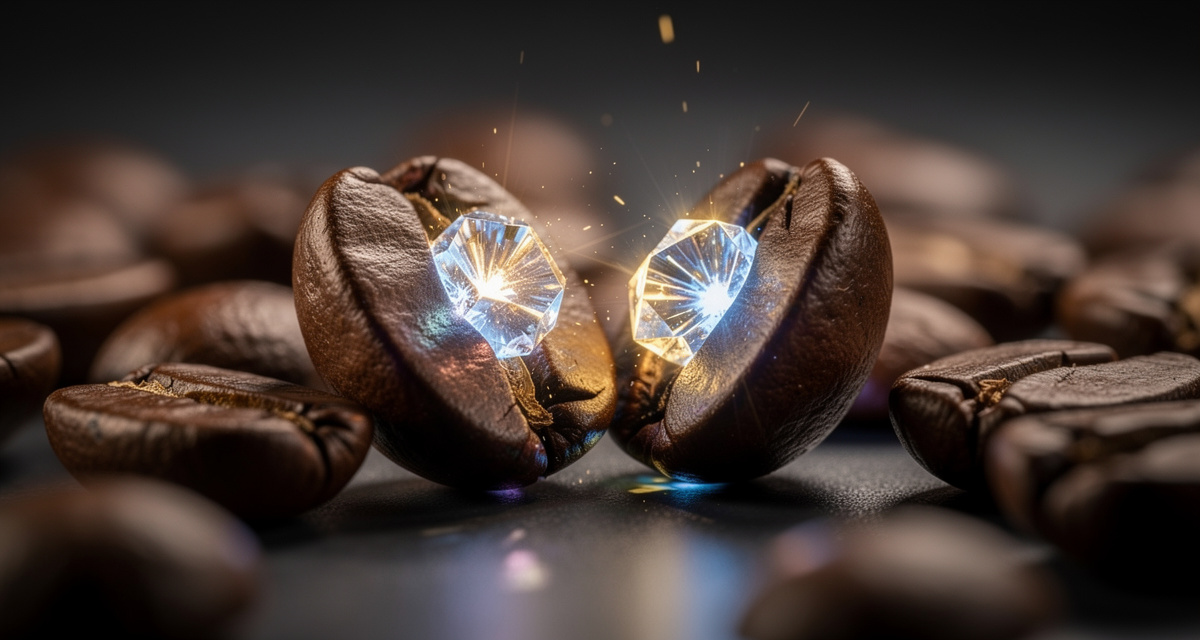
Caffeine and Oxidative Stress: What the Science Really Says
Is your morning coffee aging your cells—or protecting them? The answer surprises most people. Caffeine itself can nudge cellular defense systems, while the coffee bean delivers powerful polyphenols that shift oxidative balance in ways pure caffeine never could. Roughly 85% of American adults drink caffeine daily, yet few understand how their cup actually interacts with the body’s antioxidant machinery. In this guide, we translate the latest research into practical steps so you can enjoy caffeine while supporting—not straining—your redox balance.
Why Oxidative Stress (and Your Caffeine Habit) Matters
Oxidative stress happens when reactive oxygen species (ROS) outpace your body’s defenses. Over time, that imbalance can damage lipids, proteins, and DNA, and research links it to cardiovascular, metabolic, and neurodegenerative conditions.
Many everyday factors tip this balance—sleep loss, poor diet quality, inactivity, and yes, your daily brews.
Here’s why caffeine and coffee deserve a closer look:
- Coffee is more than caffeine. It delivers chlorogenic acids and other polyphenols that can activate antioxidant pathways in cells.
- Caffeine itself may influence mitochondrial defenses and enzyme systems that process ROS.
- Dose and timing matter. Too much caffeine can disrupt sleep, and chronic sleep loss is associated with higher oxidative stress and vascular dysfunction.
The goal isn’t to quit coffee. It’s to use it wisely so your routine supports your redox balance.
The Science: Caffeine, Coffee, and Your Oxidative Defenses
Think of oxidative stress as a see-saw: ROS on one side, antioxidant systems on the other. Caffeine and coffee can shift both sides.
What Caffeine May Do on Its Own
Mitochondrial defense support: Laboratory and animal research suggests caffeine may enhance the activity of SOD2 (a key mitochondrial antioxidant enzyme) by engaging the SIRT3 pathway, potentially improving how cells handle ROS. This is promising but mostly preclinical evidence.
Small human trial signals: In a short, controlled study of healthy men, eight days of oral caffeine improved several blood markers related to antioxidant capacity (such as a higher reduced-to-oxidized glutathione ratio) and lowered lipid peroxidation markers. It’s a small data point, but it shows caffeine isn’t automatically “pro-oxidant.”
Why “Coffee ≠ Caffeine” for Oxidative Stress
Coffee’s polyphenols—especially chlorogenic acids—are active players:
- Nrf2 activation: Human and mechanistic studies indicate coffee constituents (chlorogenic acids, N-methylpyridinium, cafestol/kahweol, and others) can activate the Nrf2 pathway. Nrf2 acts like a master switch that turns on genes for antioxidant and detoxification enzymes.
- Biomarker improvements in humans: Trials using coffee with higher chlorogenic acids (and lower levels of hydroxyhydroquinone, a compound formed during roasting) reported reductions in oxidative stress markers such as urinary 8-isoprostane and improvements in endothelial function.
- Antioxidant capacity: Some human interventions show increased plasma antioxidant capacity after coffee consumption—effects attributed mainly to polyphenols rather than caffeine itself.
The Role of Sleep and Timing
Caffeine used late in the day can impair sleep for many people. Research has shown that even a 400 mg dose taken six hours before bedtime can reduce total sleep time by more than one hour.
Why does this matter here? Because insufficient sleep is associated with endothelial dysfunction and oxidative stress signals in humans. Timing your caffeine to protect sleep is, indirectly, a pro-antioxidant move.
Key takeaways so far:
- Caffeine alone is not uniformly “pro-oxidant” or “antioxidant.” Effects vary by dose, timing, and context.
- Coffee’s non-caffeine compounds often drive the antioxidant benefits seen in human studies.
- Protecting sleep is part of protecting your oxidative balance.
Practical Ways to Enjoy Caffeine While Supporting Oxidative Balance
Below are science-aligned, real-world strategies. Use the ones that fit your routine.
1) Stay Within Evidence-Based Daily Limits
For most healthy adults, up to about 400 mg of caffeine per day is generally considered safe by U.S. regulators. The European Food Safety Authority (EFSA) similarly considers up to 400 mg/day safe for non-pregnant adults and notes single intakes up to 200 mg are unlikely to raise safety concerns. If you’re pregnant or trying to conceive, limit caffeine to under 200 mg/day.
Why it works: Avoiding excessive doses reduces the chance of jitteriness, palpitations, and sleep disruption—factors that can worsen oxidative stress indirectly through stress hormones and sleep loss.
For a deeper look at safe consumption ranges, see our health advice page.
2) Mind Your Timing to Protect Sleep
If bedtime is 10:00 PM, make your last caffeine before 4:00 PM (about six hours prior). Sensitive sleepers may need an even earlier cut-off—try 2:00 PM. Protecting sleep helps maintain vascular function and keeps oxidative stress in check.
Why it works: Sleep loss is linked with increased oxidative stress and impaired endothelial function. Good sleep supports nightly cellular maintenance.
3) Choose Coffee With the Right Balance of Roast and Filter
Light-to-medium roasts generally preserve more chlorogenic acids than very dark roasts. Paper-filtered brews (such as drip with a paper cone or pour-over) remove most cafestol, a diterpene that can raise LDL cholesterol, while still delivering polyphenols.
Some studies specifically found that coffee high in chlorogenic acids and low in hydroxyhydroquinone (a roasting byproduct) reduced oxidative stress markers in humans.
Why it works: You’re tilting the see-saw toward more polyphenols and fewer potentially counteractive compounds.
4) Consider Decaf for Antioxidant Benefits Without Extra Caffeine
Decaffeinated coffee retains most chlorogenic acids. Swapping an afternoon caffeinated cup for decaf can preserve antioxidant intake without risking sleep disruption.
Why it works: You keep the polyphenols that activate Nrf2 while cutting a stimulant that can interfere with sleep.
5) Pair Caffeine With Polyphenol-Rich Foods
A coffee with a fruit-and-nut snack or a meal rich in colorful vegetables increases total polyphenol intake for the day. Tea (green, oolong, black) can also contribute antioxidants with less caffeine per cup—typically 25-50 mg versus 95 mg for an 8 oz brewed coffee.
Why it works: Dietary polyphenols support endogenous defenses and may complement coffee’s protective constituents.
6) Be Thoughtful With Pre-Workout Caffeine
Moderate pre-workout caffeine (3-6 mg/kg of body weight) can help performance for many people, but very intense efforts already generate ROS. If you’re using caffeine before hard sessions, keep within total daily limits and prioritize a polyphenol-rich diet around training days.
Why it works: You get alertness and performance benefits while supporting recovery with antioxidant-rich foods.
7) Track Your Total Intake the Easy Way
Caffeine shows up in coffee, tea, energy drinks, sodas, chocolate, and some medications—and it adds up faster than most people realize. Counting your daily total helps you stay within safe ranges and time doses to protect sleep.
Count your total daily caffeine with CaffCalc to see how your intake compares to recommended levels.
Why it works: Seeing the whole-day picture prevents accidental over-consumption.
Frequently Asked Questions
Q: Is caffeine itself an antioxidant?
Not in the same way dietary polyphenols are. Most antioxidant effects credited to “coffee” come from chlorogenic acids and related compounds that activate the Nrf2 pathway. Some lab studies suggest caffeine can indirectly support mitochondrial defenses (via SIRT3/SOD2), but this is not the same as being a direct antioxidant like vitamin C or vitamin E.
Q: Does decaf coffee still help with oxidative stress?
Yes. Decaf retains most coffee polyphenols, including chlorogenic acids. Human studies report improved antioxidant markers and lower oxidative stress signals with higher-CGA coffees—even when caffeine is minimized. Decaf is an excellent option for afternoon and evening cups.
Q: Which brew method is best for oxidative stress?
Paper-filtered drip or pour-over preserves polyphenols while removing most cafestol. Unfiltered methods like French press, espresso, and Turkish coffee let cafestol through, which may raise LDL cholesterol over time. Roast level also matters: light-to-medium roasts tend to retain more chlorogenic acids than very dark roasts.
Q: Can drinking too much coffee actually increase oxidative stress?
Excessive intake (well above 400 mg/day) can disrupt sleep, raise stress hormones, and elevate blood pressure—all indirect contributors to oxidative damage. The antioxidant benefits of coffee don’t scale infinitely; more isn’t better past moderate intake.
Q: I’m pregnant—should I avoid coffee to reduce oxidative stress?
Major health organizations advise limiting (not eliminating) caffeine to under 200 mg/day during pregnancy. If you want antioxidant benefits with minimal caffeine, consider decaf and polyphenol-rich foods. Always discuss your intake with your prenatal provider.
Bottom Line
Caffeine doesn’t automatically raise oxidative stress—and coffee often tilts the balance toward protection thanks to its polyphenols. The smartest play is simple: stay within daily limits, time caffeine to protect sleep, and favor brews and foods that boost your antioxidant defenses.
Want to see where you stand today? Count your caffeine intake and compare it to recommended levels →
References & Further Reading
Scientific sources supporting this article:
- FDA: Spilling the Beans — How Much Caffeine Is Too Much?
- EFSA: Safety of caffeine (EFSA Journal 2015;13(5):4102)
- EFSA: Caffeine topic summary and safe single-dose guidance
- J Clin Sleep Med: Caffeine taken 0, 3, or 6 hours before bed disrupts sleep
- Review: Sleep and Cellular Stress (links sleep loss to oxidative pathways)
- Systematic review: Sleep deprivation and endothelial function in adults
- Frontiers in Cell & Developmental Biology 2020: Caffeine targets SIRT3 to enhance SOD2 activity
- Clinical trial: Beneficial effects of oral pure caffeine on oxidative stress (human volunteers)
- Randomized crossover: High-CGA, low-hydroxyhydroquinone coffee improves FMD and lowers 8-isoprostane
- PubMed: Induction of antioxidative Nrf2 gene transcription by coffee in humans
- Review: Cell-specific and roasting-dependent regulation of Keap1/Nrf2 by coffee extracts
- ACOG: How much coffee can I drink while pregnant? (<200 mg/day guidance)
Medical Disclaimer: This article is for informational purposes only and does not constitute medical advice. Consult with a healthcare provider before making significant changes to your caffeine intake, especially if you have underlying health conditions, take medications, or are pregnant or nursing.