How Caffeine Powers Mitochondria (and When It Backfires)
• By CaffCalc Team
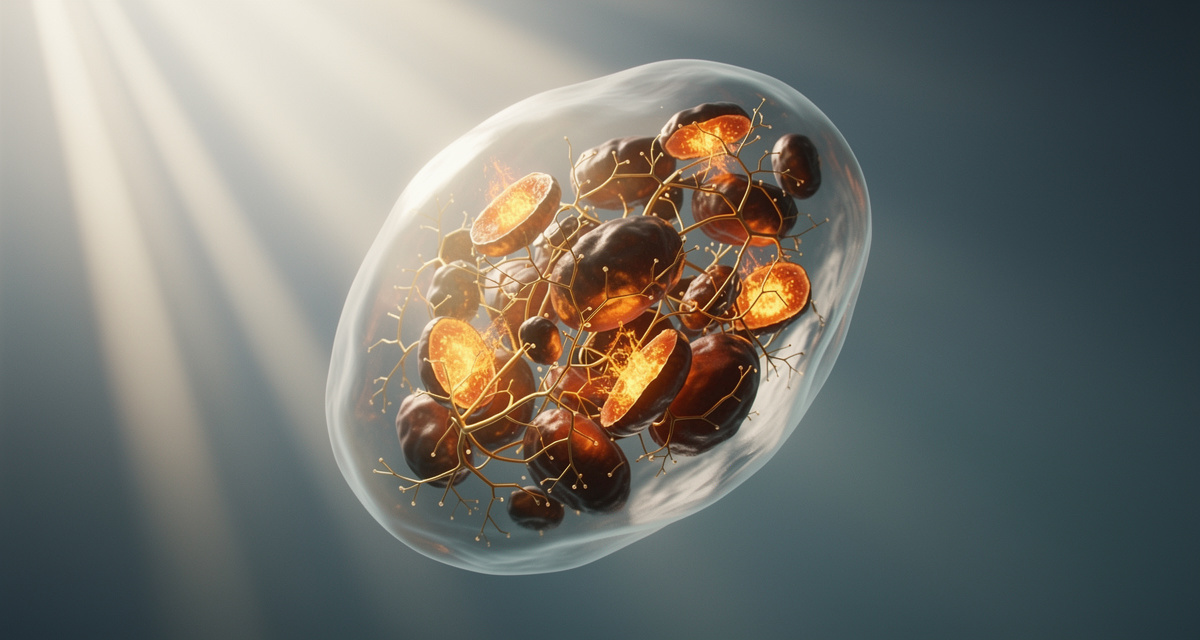
How Caffeine Powers Mitochondria (and When It Backfires)
Your morning coffee doesn’t just wake your brain—it whispers to your cells’ power plants. Deep inside nearly every cell, mitochondria churn out ATP, the molecular fuel behind every thought, heartbeat, and squat. Caffeine can nudge these tiny engines to work harder, sharpening focus and mobilizing fuel. But get the dose or timing wrong, and the same molecule that lit you up at 8 a.m. can sabotage the sleep your mitochondria need to recover. Here’s how caffeine and mitochondrial function actually interact—and how to use that knowledge without burning yourself out.
Why Mitochondria Matter for Your Daily Energy
Mitochondria are the microscopic engines that convert food and oxygen into ATP. When they’re humming, you feel steady energy, clear thinking, and physical readiness. When they’re strained—or when sleep is cut short—fatigue, brain fog, and sluggish workouts creep in.
That’s why caffeine’s mitochondrial effects matter. Used well, caffeine can tilt these engines toward more output in the short term. Used poorly, it robs the recovery window that keeps them running tomorrow.
Key reasons to care:
- Caffeine’s primary action—blocking adenosine—reduces sleep pressure and increases alertness, shaping how energized you feel moment-to-moment.
- Mitochondrial signals like AMPK and PGC-1α help regulate fuel burning and the building of new mitochondria; caffeine can interact with these pathways in lab and some human contexts.
- Poor timing can fragment sleep and impair next-day mitochondrial recovery, undercutting net energy.
The Science: How Caffeine Influences Mitochondria and Energy
Caffeine doesn’t “add” energy. Instead, it reshapes cellular signaling so your body can access and generate energy differently. Here’s what research suggests.
1) Adenosine antagonism: flipping the brain’s wakefulness switch
Caffeine competes with adenosine—a natural chemical that builds up during wakefulness and promotes sleep—by blocking adenosine receptors (notably A1 and A2A). The result: increased neuronal firing and a stronger sense of energy and focus. This central effect sets the stage for downstream metabolic changes.
2) AMPK: the cell’s fuel gauge and mitochondrial caretaker
AMP-activated protein kinase (AMPK) is a master regulator that senses low cellular energy and promotes fat oxidation and mitochondrial quality control. Reviews indicate cross-talk between AMPK and mitochondria is central to maintaining energy balance.
Caffeine, particularly around exercise, is linked to AMPK-related signaling that can support fuel oxidation and may influence mitochondrial adaptations. Evidence is strongest in preclinical models and acute exercise settings; human training studies are still refining the picture.
3) PGC-1α and biogenesis: building more (and better) mitochondria
PGC-1α is a transcriptional coactivator often called the “master regulator” of mitochondrial biogenesis. Laboratory studies in muscle cells have shown caffeine can upregulate PGC-1α and related genes, suggesting a pathway for building more mitochondria.
Early human-relevant work is promising but not definitive. Much of the robust biogenesis signal comes from exercise itself, with caffeine as a potential amplifier in some contexts—not a standalone builder.
4) Antioxidant defense: the SIRT3–SOD2 axis
Beyond fueling, mitochondria must handle reactive oxygen species. A 2020 study found caffeine can enhance SIRT3 activity, which activates the mitochondrial antioxidant enzyme SOD2 and may improve oxidative stress resilience.
These findings come primarily from cell and animal models and need more human confirmation, but they highlight a plausible mitochondrial-protective effect of caffeine.
5) Thermogenesis and adipose “browning”
Caffeine exposure has been shown to promote brown/beige fat gene programs (including UCP1) and mitochondrial biogenesis in vitro and in small human models, which could modestly increase thermogenesis. This may translate to small effects on daily energy expenditure—but it’s not a magic bullet for weight change.
Takeaway: Caffeine can nudge mitochondrial signaling toward more fuel use and, in some cases, enhanced defenses. But dose, context (especially exercise), and timing determine whether you feel a net energy gain.
For a deeper look at how caffeine works in the body, see our overview on caffeine science.
When Caffeine Helps vs. Hurts Your Energy Engines
Caffeine’s half-life in healthy adults averages roughly 3–7 hours. That means a 2 p.m. cup can still have meaningful levels circulating at bedtime. Research suggests even a single 400 mg dose taken 6 hours before bed can significantly reduce total sleep time and degrade sleep quality—effects that ripple into next-day mitochondrial recovery and energy.
On the upside, moderate daily intake—up to about 400 mg for most healthy adults—is not generally associated with adverse effects, according to U.S. and European safety assessments. Pregnant or breastfeeding individuals, children, and some sensitive groups should use more conservative limits.
Practical Strategies to Get the Boost Without the Crash
Below are evidence-aligned tactics to leverage caffeine’s alertness and metabolic benefits while protecting the sleep and recovery your mitochondria depend on.
1) Set a personal caffeine curfew
Aim to stop caffeine at least 6 hours before your target bedtime. If you’re sensitive or already sleeping poorly, push that to 8+ hours. For a 10:00 p.m. bedtime, that means your last cup by 2:00–4:00 p.m.
Why it works: Blocking late-day adenosine antagonism protects slow-wave and REM sleep—both crucial for mitochondrial repair and next-day energy.
2) Keep daily intake moderate
For most healthy adults, cap total caffeine at roughly 400 mg/day—about 2–4 cups of brewed coffee, depending on strength. Track all sources: coffee, tea, energy drinks, sodas, chocolate, and some medications.
Why it works: Staying within this range supports the benefits of caffeine while keeping side effects (jitters, anxiety, sleep disruption) low.
3) Time caffeine to real work, not to habit
Caffeine peaks in the bloodstream roughly 45–120 minutes after consumption. Save it for demanding cognitive blocks or training sessions rather than automatic sipping.
Why it works: Aligning caffeine’s peak with when you actually need alertness maximizes its benefits and reduces total intake.
4) Pair with movement for metabolic synergy
Light activity or scheduled workouts can complement caffeine’s signaling on AMPK and fuel handling. Keep pre-workout doses modest (100–200 mg for many people) to avoid jitters that could hurt training quality.
Why it works: Exercise is the strongest known driver of mitochondrial biogenesis. Caffeine may amplify that signal when paired with training.
5) Respect individual sensitivity and interactions
Genetics (especially variants in the CYP1A2 gene), smoking status, certain medications, and health conditions all change how you metabolize caffeine. If you notice anxiety, palpitations, or sleep disruption, scale back.
Why it works: “Slow metabolizers” can feel a single cup for 8+ hours. Adjusting to your biology beats following generic advice.
6) Avoid concentrated caffeine products
Pure or highly concentrated caffeine powders and liquids can be dangerous. A single teaspoon of pure powder can equal dozens of cups of coffee—enough to cause serious harm.
Why it works: Traditional beverages like coffee and tea deliver caffeine at manageable rates. Bulk powders lack the built-in safety of slower sipping.
7) Don’t fear dehydration at moderate intakes
Typical coffee and tea contribute to fluid intake; their mild diuretic effect is offset by the water in the beverage. For daily moderate use, hydration status is generally maintained.
Why it works: Skipping coffee to “stay hydrated” is a myth for most people at normal doses.
8) Cycle strategically if effects fade
If caffeine seems flat, consider a brief reduction (e.g., 7–14 days of 50% or less of your usual intake) to reset sensitivity, then reintroduce thoughtfully. Keep doses consistent and earlier in the day.
Why it works: Regular high intake can upregulate adenosine receptors. A short taper helps restore the noticeable lift.
Pro tip: Not sure how much caffeine you’re actually consuming across coffee, tea, sodas, and snacks? Count your daily caffeine intake with CaffCalc and see how your total compares to typical ranges.
Frequently Asked Questions
Q: Can caffeine actually increase the number of my mitochondria?
Lab studies suggest caffeine can activate pathways like PGC-1α tied to mitochondrial biogenesis, and exercise is a powerful driver of this process. Human data isolating caffeine’s chronic effect is mixed and still emerging. Think of caffeine as a potential helper to training, not a standalone builder.
Q: Does the type of caffeine source—coffee, tea, energy drink—change the mitochondrial effect?
Your body processes caffeine similarly regardless of source; what differs is dose, absorption speed, and co-ingredients. Tea’s L-theanine may soften the alertness curve, while energy drinks often deliver larger boluses alongside sugar and other stimulants. For mitochondrial signaling, total milligrams and timing matter more than the vehicle.
Q: Does caffeine help my cells handle oxidative stress?
Preclinical work shows caffeine can boost the mitochondrial antioxidant enzyme SOD2 via SIRT3 activation, which may improve resilience to oxidative stress. This is promising but not yet proven in large human trials. Prioritize sleep, nutrition, and exercise as your primary mitochondrial supports.
Q: I feel more tired a few hours after coffee. Is my caffeine hurting my mitochondria?
That mid-day dip is usually adenosine “catching up”—once caffeine clears its receptors, accumulated adenosine binds all at once, creating a rebound. It’s not direct mitochondrial damage. Smaller, better-timed doses and consistent sleep typically flatten the crash.
Conclusion: Make Caffeine Work With Your Mitochondria, Not Against Them
Caffeine can sharpen alertness and nudge mitochondrial pathways that mobilize fuel and support performance—but only when you respect dose and timing. Keep intake moderate, use it when it matters, and guard your sleep like it’s part of the workout. To see where you stand today, calculate your total daily caffeine with CaffCalc and compare your intake to typical ranges.
References & Further Reading
Scientific sources supporting this article:
- FDA: Spilling the Beans — How Much Caffeine Is Too Much?
- EFSA Scientific Opinion: Safety of Caffeine
- Wikoff et al.: Systematic Review of the Safety of Ingested Caffeine (PMC)
- StatPearls: Caffeine — Pharmacology, Metabolism, Half-Life
- Journal of Clinical Sleep Medicine: Caffeine 0, 3, or 6 Hours Before Bed Disrupts Sleep (PMC)
- Sleep Foundation: Caffeine and Sleep
- AMPK and Mitochondrial Function — Review of Cross-Talk and Homeostasis
- Caffeine Targets SIRT3 to Enhance Mitochondrial SOD2 Activity
- Metabolic Effects of Physiological Caffeine in Myotubes — PGC-1α, Mitochondrial Biogenesis
- Caffeine Exposure Induces Browning Features in Adipose Tissue
- FDA Guidance: Highly Concentrated Caffeine in Dietary Supplements
- Mayo Clinic: Caffeinated Drinks and Hydration
Medical Disclaimer: This article is for informational purposes only and does not constitute medical advice. Consult with a healthcare provider before making significant changes to your caffeine intake, especially if you have underlying health conditions, take medications, or are pregnant or nursing.