Caffeine and Cardiac Health: Long-Term Risks, Benefits, and Limits
• By CaffCalc Team
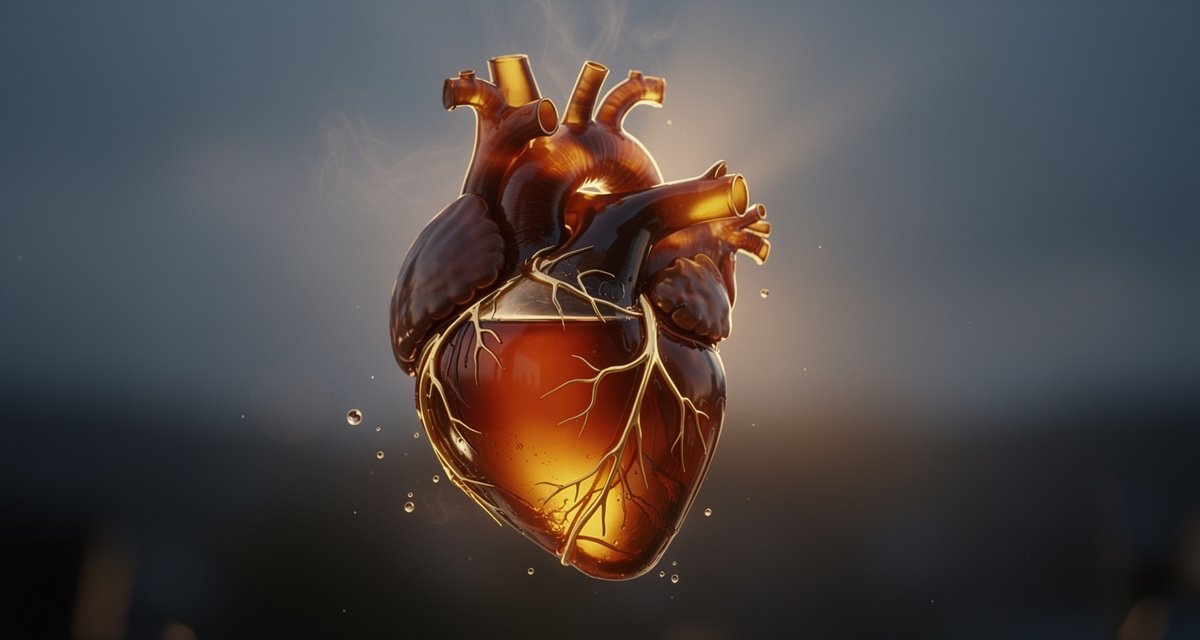
Caffeine and Cardiac Health: Long-Term Risks, Benefits, and Limits
Your morning coffee isn’t quietly wrecking your heart. In fact, decades of research suggest the opposite for most healthy adults.
Large population studies link moderate coffee intake with lower cardiovascular disease risk, not higher. But the full picture depends on dose, brewing method, whether you’re drinking coffee or energy drinks, and personal factors like pregnancy or existing hypertension. This guide translates the latest cardiology science into clear, practical steps you can use today.
Why Caffeine and Cardiac Health Deserve a Closer Look
Caffeine is the most widely used stimulant in the world. It can sharpen alertness within an hour, but it also nudges the cardiovascular system—briefly raising heart rate and blood pressure for a few hours after a dose. That’s the short term.
Over years, the story is more nuanced:
- Large reviews link habitual coffee intake with lower risks of cardiovascular disease (CVD) and stroke, often in a J-shaped pattern (benefit with moderate intake, no extra benefit at very high intakes).
- For most healthy adults, up to about 400 mg of caffeine per day is considered a generally safe ceiling by major health authorities.
- Arrhythmia fears are common, but contemporary data show neutral—or even small protective—associations between coffee and atrial fibrillation risk in the general population.
- Not all caffeinated drinks behave the same. Energy drinks (often caffeine plus other stimulants) can prolong the QT interval and raise blood pressure more than plain coffee.
Bottom line: caffeine can fit into a heart-healthy lifestyle, but the details matter.
The Science: How Caffeine Influences Your Heart Over Time
Caffeine acts mainly by blocking adenosine receptors in the brain and heart. That reduces sleep pressure and can increase sympathetic tone—briefly lifting heart rate and blood pressure. With daily use, the body adapts, and those acute effects tend to shrink.
Here’s what long-term research shows, in plain language.
Blood Pressure: Short-Term Spike, Long-Term Neutral
Acute: A typical 200–300 mg dose can raise systolic BP by roughly 5–8 mmHg and diastolic BP by 3–6 mmHg for several hours. The rise tends to be more pronounced in people with hypertension.
Long-term: Habitual coffee drinking is not associated with higher hypertension risk. Several recent meta-analyses report neutral to slightly lower risk with regular intake. Tolerance and coffee’s non-caffeine compounds (like potassium and polyphenols) may offset caffeine’s short-term pressor effect.
Heart Rhythm: Reassuring for Most
Observational cohorts and updated meta-analyses find no increased risk of atrial fibrillation with coffee. Some show a modest risk reduction across usual consumption ranges.
Short randomized data (the CRAVE trial) found more premature ventricular contractions on coffee days but no increase in atrial arrhythmias. Translation: if you’re prone to palpitations, monitor your symptoms—but routine avoidance isn’t universally required.
Cardiovascular Events and Mortality
Umbrella reviews covering dozens of cohorts link moderate coffee intake with lower CVD incidence and mortality, often peaking around 2–4 cups per day depending on cup size and brew strength. Stroke risk also appears lower among regular coffee drinkers in pooled prospective data.
Lipids and Brewing Method
Unfiltered coffee (French press, boiled, Turkish) contains diterpenes such as cafestol and kahweol that can raise LDL cholesterol. Paper-filtered coffee largely removes these oils.
Recent population analyses and trial reviews support this mechanism. If your LDL is elevated, prefer paper-filtered brews like drip or pour-over.
Energy Drinks vs. Coffee: Not Interchangeable
In randomized trials, consuming large volumes of energy drinks prolonged the QTc interval and increased blood pressure compared with placebo. Reviews highlight this as a potential proarrhythmic signal not seen with usual coffee intake.
Use caution—especially if you have heart disease or take QT-prolonging medications.
Individual Variability
Genetics, medications, and health conditions influence caffeine sensitivity. Some people feel jittery or notice palpitations at modest doses; others tolerate more. Health authorities emphasize population ceilings (like 400 mg/day for most adults) while encouraging individuals to adjust based on symptoms and medical advice.
Practical Ways to Protect Your Heart and Still Enjoy Caffeine
Below are evidence-aligned steps you can put into practice today. None of these replace medical care—think of them as smart guardrails.
1. Know Your Daily Total (and Keep It Near or Under 400 mg)
Why it works: The FDA and EFSA consider up to ~400 mg/day a reasonable upper limit for most healthy adults. The catch is that caffeine hides in many places—coffee, tea, sodas, energy drinks, pre-workouts, and even some pain relievers. Tracking all sources prevents accidental overshooting.
Example: A 16 oz café latte (~150 mg) + a 12 oz cola (~35 mg) + a 16 oz energy drink (~160 mg) + an afternoon espresso (~75 mg) already puts you at 420 mg—over the limit before dinner.
Count your daily caffeine with CaffCalc to see how your intake compares to typical ranges.
2. If Pregnant or Trying to Conceive, Cap at 200 mg/Day
Why it works: The American College of Obstetricians and Gynecologists (ACOG) recommends keeping caffeine below 200 mg/day in pregnancy. Energy drinks often contain other stimulants and are best avoided entirely.
Watch serving sizes—a “12 oz coffee” can range from 100 mg to over 250 mg depending on roast and brew method.
3. Prefer Paper-Filtered Coffee If LDL Cholesterol Is High
Why it works: Paper filters trap most of the diterpenes (cafestol and kahweol) that can raise LDL. Unfiltered methods leave more of these oils in the cup.
Action step: If your LDL is elevated, switch to drip or pour-over with a paper filter, then recheck lipids after 4–8 weeks. Many people see measurable improvement just from this swap.
4. Go Easy on Energy Drinks—Especially in Large Volumes
Why it works: Trials show that consuming 32 oz of common energy drinks can prolong QTc and raise blood pressure for hours. People with heart disease, arrhythmias, or who take QT-prolonging medications should be especially cautious.
If you use energy drinks, stick to smaller single servings (8–12 oz) and avoid stacking them with other caffeine sources.
5. Time Caffeine to Protect Blood Pressure and Sleep
Why it works: Caffeine’s pressor effect is transient, and avoiding late-evening doses protects sleep. Better sleep, in turn, supports healthy blood pressure.
Action step: If you have hypertension, try an earlier cutoff (such as before 1 PM) and monitor home BP for a couple of weeks to see how you respond.
6. Start Low, Personalize, and Watch Your Symptoms
Why it works: Sensitivity varies widely between individuals. If you notice palpitations, anxiousness, chest discomfort, or a sustained BP rise, step down your dose or spread it out more.
Discuss persistent symptoms with your clinician—especially if you have known heart disease or take interacting stimulant medications.
7. Mind the “Hidden Caffeine”
Why it works: Some sodas, pre-workout supplements, and weight-loss products pack more caffeine than expected, and labels aren’t always transparent. When in doubt, choose products that clearly disclose milligrams per serving.
Pure caffeine powders and highly concentrated liquids can be dangerous and are not recommended for consumer use—even small measuring errors can deliver toxic doses.
8. Pair Caffeine Habits With Heart-Healthy Basics
Why it works: Diet quality, sleep, physical activity, and smoking status have far larger effects on long-term cardiac risk than coffee alone. Keep caffeine in perspective while focusing on those fundamentals.
For concise do’s and don’ts on safe daily intake, see our health advice page.
Frequently Asked Questions
Q: Does long-term caffeine use cause high blood pressure?
Probably not at typical coffee intakes. While a single 200–300 mg dose can raise BP for a few hours, prospective studies and meta-analyses generally show no increased long-term hypertension risk with habitual coffee drinking. Some research even suggests a slight protective effect.
Q: I have atrial fibrillation. Do I need to give up coffee forever?
Not necessarily. Large cohorts and updated meta-analyses find no higher AF risk with coffee, and some show modestly lower risk. That said, individuals vary—if coffee triggers palpitations or worsens your symptoms, reduce or avoid it and discuss with your cardiologist.
Q: Are two energy drinks a day the same as two coffees?
No. Beyond caffeine, energy drinks often add taurine, guarana, and other stimulants. Clinical trials show that large energy-drink doses can prolong QTc and raise blood pressure—signals not typically seen with standard coffee consumption. For long-term cardiac health, coffee is generally the safer choice.
Q: What’s a simple, heart-smart coffee routine?
Aim for paper-filtered brews, spread your caffeine across the morning to early afternoon, and keep your total under about 400 mg/day (or under 200 mg/day during pregnancy). If your LDL is high, avoid unfiltered methods. Track how you feel and adjust accordingly.
Conclusion
Moderate caffeine intake—especially from paper-filtered coffee—can fit into a heart-healthy lifestyle for most people. The key is dose, drink choice, and listening to your body.
Want a quick reality check on your daily total? Calculate your total daily caffeine with CaffCalc and see how your intake compares to recommended levels.
References & Further Reading
Scientific sources supporting this article:
- FDA: Spilling the Beans—How Much Caffeine Is Too Much?
- EFSA Journal: Scientific Opinion on the Safety of Caffeine (2015)
- American Heart Association: Caffeine and Heart Disease
- Frontiers in Cardiovascular Medicine: Coffee Consumption and Atrial Fibrillation Risk—Updated Dose-Response Meta-analysis
- American College of Cardiology: CRAVE Trial Summary—Coffee, Arrhythmias, Sleep, Activity
- Journal of the American Heart Association: Energy Drinks—Another Cause of QT Prolongation?
- PubMed: Impact of High-Volume Energy Drink Consumption on ECG and Blood Pressure
- BMJ Umbrella Review: Coffee Consumption and Health Outcomes
- BMC Neurology: Coffee Consumption and Risk of Cerebrovascular Disease Meta-analysis
- Nutrition & Metabolism: Coffee Intake and Risk of Hypertension—Evidence and Mechanisms
- ACOG: How Much Coffee Can I Drink While Pregnant?
- MedlinePlus: Caffeine—Uses, Effects, and Typical Amounts
- PubMed: Acute Cardiovascular Effects of Caffeine—Blood Pressure Response
Medical Disclaimer: This article is for informational purposes only and does not constitute medical advice. Consult with a healthcare provider before making significant changes to your caffeine intake, especially if you have underlying heart conditions, high blood pressure, arrhythmias, take medications, or are pregnant or nursing.