Caffeine and Your Endocrine System: What Really Happens
• By CaffCalc Team
Caffeine and Your Endocrine System: What Really Happens
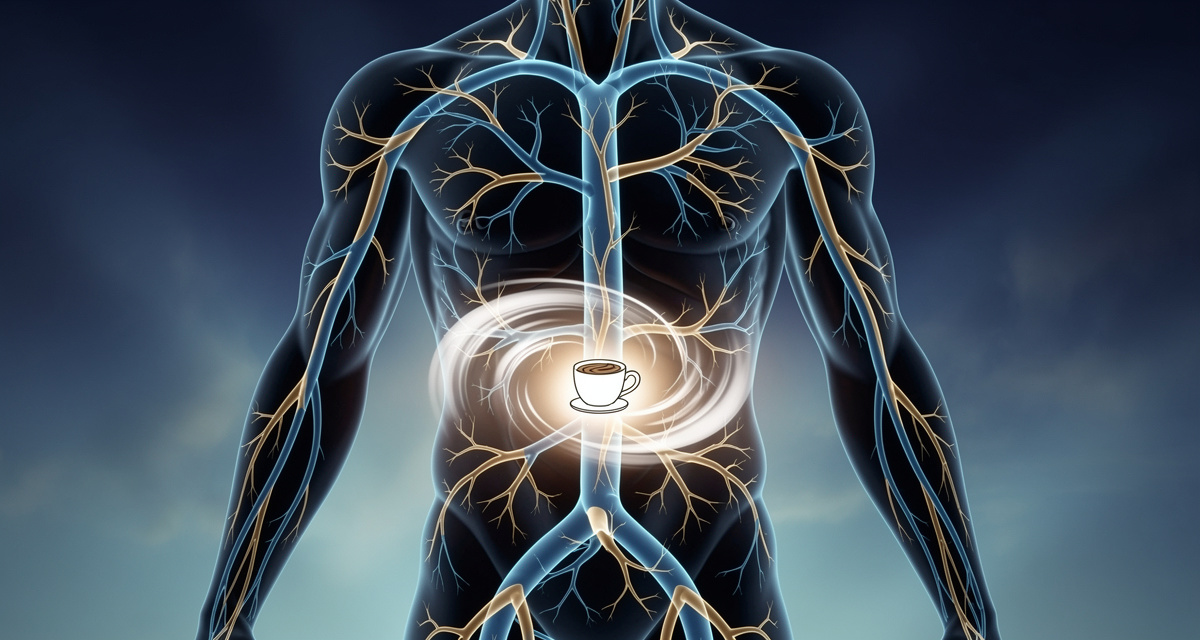
Your morning coffee isn’t just waking you up—it’s rewiring your hormones. Caffeine nudges your endocrine system, the network of hormones that controls energy, stress, sleep, blood sugar, and more. That’s why a 2 pm latte can leave you wired at 11 pm, or why one espresso before a meeting sharpens focus but spikes anxiety. In this guide, we’ll translate the latest science on how caffeine affects cortisol, adrenaline, melatonin, and insulin—plus practical steps to enjoy caffeine while protecting your sleep, mood, and metabolic health.
Why the Endocrine Effects of Caffeine Matter
Your endocrine system runs on timing and balance. Caffeine can tilt that balance in ways you feel immediately and sometimes hours later:
- Short term: more alertness, faster reaction time, sometimes jitters and higher heart rate.
- Later in the day: harder time falling asleep, lighter sleep, or early awakenings.
- Metabolic ripple effects: short-term changes in how your body handles blood sugar and stress.
The key isn’t to fear caffeine, but to understand how it interacts with your hormones—and then set smart limits. For most healthy adults, up to about 400 mg of caffeine per day is considered a safe ceiling. Pregnant individuals are advised to keep intake at or below 200 mg per day. These figures help you stay within ranges unlikely to cause adverse effects, especially when paired with good timing.
Takeaway: The same dose can feel very different depending on your timing, sensitivity, and sleep schedule. Respect both the amount and the clock.
The Science: How Caffeine Talks to Your Hormones
Caffeine’s primary trick is blocking adenosine receptors in the brain (especially A1 and A2A). Adenosine builds sleep pressure across the day. When caffeine sits in those receptor “parking spots,” you feel more awake. That blockade also shifts activity in brain regions that regulate the stress response and circadian timing.
Stress Hormones: Cortisol and Adrenaline
Caffeine can acutely raise cortisol (a core stress hormone) and catecholamines like adrenaline. This response is strongest after short abstinence and tends to blunt with habitual use—meaning regular users may see a smaller spike, but it’s not zero.
In controlled studies, single caffeine doses stimulated epinephrine release and increased plasma renin activity, both tied to the body’s fight-or-flight and blood pressure systems.
What this means for you: a coffee before a big presentation may sharpen focus but can also add to stress arousal. If you’re anxiety-prone, consider a smaller dose or earlier timing.
Sleep Hormone: Melatonin and Your Circadian Clock
Evening caffeine can delay your internal clock and suppress the rise of melatonin that helps you drift off. Human experiments show caffeine taken at night can shift circadian timing later by roughly 40 minutes, making it harder to fall asleep at your usual hour.
Even when taken earlier, caffeine can still disrupt sleep. A placebo-controlled study found that 400 mg consumed 6 hours before bedtime reduced total sleep time by more than an hour.
Metabolic Hormones: Insulin and Glucose Handling
Acute caffeine intake can temporarily reduce insulin sensitivity in healthy adults—your body becomes less efficient at clearing glucose from the blood for a few hours. This effect has been demonstrated in randomized trials and a systematic review. It doesn’t mean coffee causes diabetes, but it does mean timing matters, especially around carbohydrate-heavy meals if you’re glucose-sensitive.
How Long Does Caffeine Act?
Caffeine peaks about 30–60 minutes after you drink it, and its average half-life in healthy adults is around 3–7 hours. That timing is influenced by genetics, medications, and pregnancy. Translation: a 2 pm coffee can still be “on board” at bedtime, especially if you’re sensitive or pregnant.
For more detailed information on safe caffeine levels and personal limits, see our health advice page.
Practical Playbook: Use Caffeine Without Wrecking Your Hormones
Below are evidence-aligned strategies that harmonize caffeine with your endocrine system. Pick the ones that fit your life.
1) Cap Your Daily Dose
Aim for no more than 400 mg of caffeine per day if you’re a healthy adult. That’s roughly 2–3 12-oz coffees depending on brew strength. If you’re pregnant or trying to conceive, cap at 200 mg/day. When in doubt—or if you take medications—talk to your clinician.
Why it works: Staying within these limits reduces the odds of excessive cortisol surges, palpitations, and sleep disruption.
2) Front-Load Your Caffeine
Make most (or all) of your caffeine a morning habit. Set a personal cutoff 6–10 hours before bedtime. If you sleep at 10 pm, aim to finish caffeine by 2–4 pm—or earlier if you’re sensitive.
Why it works: You’ll enjoy alertness when you need it while giving melatonin and sleep pressure room to rise later.
3) Match Dose to Task, Not Habit
For focused work, many people do well with 50–150 mg (about a small coffee or strong tea). Save larger doses (200–300 mg) for rare high-demand moments—never as your default. If anxious or jittery, halve your usual dose.
Why it works: Smaller, strategic doses lower the chance of big cortisol and adrenaline spikes that can backfire.
4) Pair Caffeine With Routine, Not Sugar
If you’re glucose-sensitive, avoid adding lots of sugar to caffeinated drinks. Consider timing coffee between meals rather than with a high-carb breakfast.
Why it works: Caffeine can briefly reduce insulin sensitivity; skipping the sugar surge helps keep post-meal glucose steadier.
5) Respect Your Sleep Window
If you struggle with sleep, treat caffeine like bright light: powerful early, disruptive late. Combine a morning coffee with morning daylight exposure, and protect evenings from both caffeine and intense light.
Why it works: Both caffeine and light can push your clock later. Align them with daytime, not bedtime.
6) Know Your Sensitivity and Meds
Some people metabolize caffeine slowly; others, quickly. Hormonal contraceptives, certain antidepressants, and pregnancy can prolong caffeine’s half-life. If you feel wired for hours, reduce your dose and move it earlier in the day.
7) Use a Simple Counter to Stay Honest
We’re all bad at “mental math” with coffee, tea, energy drinks, and chocolate. Count your total daily caffeine with CaffCalc to tally your intake from all sources and see how it compares to average levels.
8) Special Case: Pregnancy and Nursing
Stick to ≤200 mg/day during pregnancy and discuss your personal situation with your clinician. Some infants are sensitive to caffeine in breastmilk—if your baby is fussy or sleep-disturbed and you consume caffeine, consider reducing or shifting earlier in the day.
Frequently Asked Questions
Q: Does caffeine permanently raise cortisol or “burn out” the adrenals?
No. Caffeine can acutely increase cortisol and adrenaline, especially after short abstinence, but responses diminish with regular use. There’s no good evidence that typical dietary caffeine “burns out” adrenal glands—a concept not recognized in mainstream endocrinology. Still, large late-day doses can keep stress arousal high and disrupt sleep.
Q: I sleep fine after an afternoon latte—should I still stop at 2 pm?
People vary. Research shows average sleep loss even when caffeine is taken 6 hours before bed, but some tolerate more. If your total sleep time and quality are consistently good, you may not need an early cutoff. If you wake unrefreshed, move caffeine earlier for 1–2 weeks and reassess.
Q: Is coffee bad for blood sugar?
A single caffeinated drink can temporarily reduce insulin sensitivity in healthy adults, but long-term coffee consumption is not the same as isolated caffeine and often correlates with neutral or beneficial outcomes in large cohorts. Focus on dose and timing. If you monitor glucose, test how you respond to caffeinated vs. decaf alongside meals.
Q: Are energy drinks different from coffee for hormones?
The main hormonal effects track total caffeine, not the beverage brand. However, many energy drinks also contain sugar, which can compound glucose spikes, plus additives like taurine and guarana that may amplify stimulant effects. Focus on total milligrams and added ingredients across all sources.
Q: Why does caffeine affect me more during certain times of my menstrual cycle?
Estrogen slows the enzyme (CYP1A2) that breaks down caffeine, so caffeine’s half-life can lengthen during high-estrogen phases. Hormonal contraceptives can roughly double caffeine’s clearance time. If you notice more jitters or sleep issues at certain points in your cycle, that’s likely why—try smaller doses during those windows.
Bottom Line
Caffeine influences your endocrine system by briefly boosting stress signals (cortisol and adrenaline), delaying melatonin if taken late, and temporarily reducing insulin sensitivity. Use it early, keep most days under 400 mg (200 mg if pregnant), and match the dose to the job. When you want an objective check on your total intake, the math is easier than you think.
References & Further Reading
Scientific sources supporting this article:
- FDA: Spilling the Beans—How Much Caffeine Is Too Much?
- EFSA Journal: Scientific opinion on the safety of caffeine (2015)
- ACOG: How much coffee can I drink while pregnant?
- Sleep Foundation: Caffeine and Sleep
- Journal of Clinical Sleep Medicine: Caffeine effects on sleep taken 0, 3, or 6 hours before bed
- Science Translational Medicine: Effects of caffeine on the human circadian clock
- StatPearls: Caffeine—mechanisms and pharmacology
- Systematic Review: Acute caffeine reduces insulin sensitivity in healthy adults
- NEJM: Effects of Caffeine on Plasma Renin Activity, Catecholamines and Blood Pressure
- Mayo Clinic: Caffeine—How much is too much?
- Cortisol responses to mental stress and caffeine in habitual users (PMC)
- MedlinePlus: Caffeine overview
Medical Disclaimer: This article is for informational purposes only and does not constitute medical advice. Consult with a healthcare provider before making significant changes to your caffeine intake, especially if you have underlying health conditions, take medications, or are pregnant or nursing.