How Caffeine Wakes Your Brain's 'Silent' Networks
• By Ivan Ushakovsky
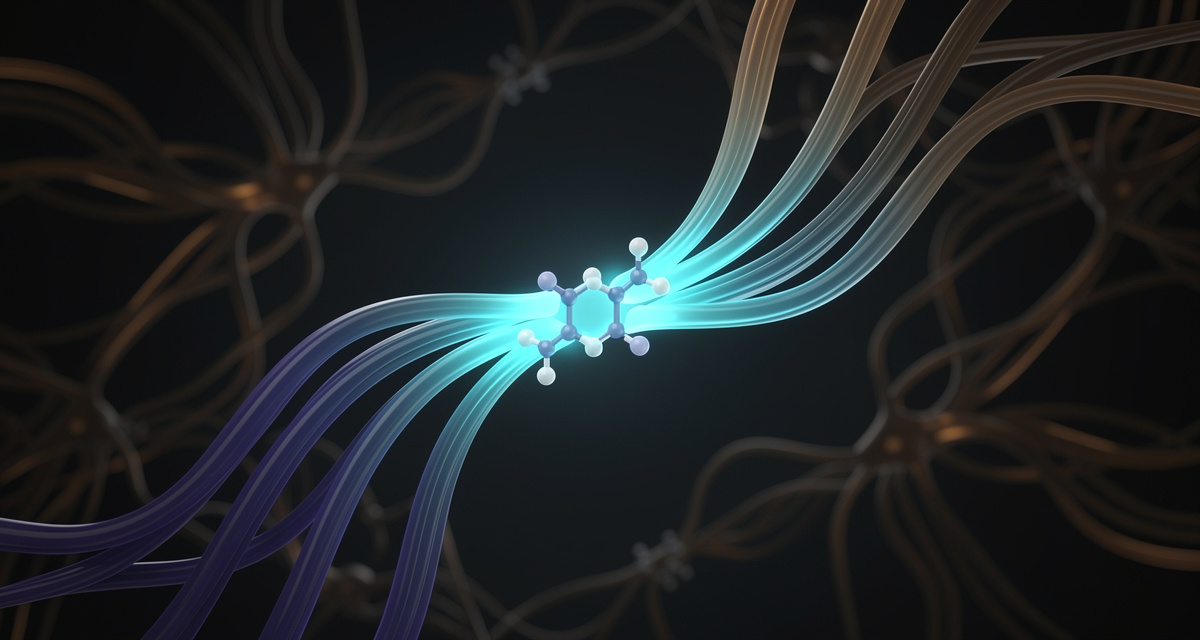
How Caffeine Wakes Your Brain’s ‘Silent’ Networks
One sip of coffee can flip your brain from foggy to focused in minutes. But that shift isn’t only about feeling more awake. Caffeine also nudges activity in so-called “silent” brain areas—networks that hum in the background when you’re daydreaming or idling. Scientists call these resting-state or default networks, and they shape everything from memory consolidation to creative insight. Understanding how caffeine interacts with them can help you get the benefits you want—alertness and focus—while avoiding sleep disruption and jitters.
Why ‘Silent’ Brain Areas Matter (and Why Caffeine Touches Them)
When you’re not engaged in a task, your brain’s default mode network (DMN) and other resting networks coordinate memory, self-referential thought, and mind-wandering. They’re “silent” only in the sense that they don’t drive obvious actions. Caffeine, by blocking adenosine receptors (mainly A1 and A2A), lowers your brain’s sense of sleep pressure and shifts network activity toward attention and task control.
Research using resting-state fMRI suggests coffee or caffeine can dampen connectivity within the DMN and alter links between sensory and executive regions—changes that often track with feeling more alert.
Why this matters for you:
- Changes in these quiet networks help explain why caffeine sharpens focus even when you’re not actively “trying.”
- The same mechanisms can also disturb sleep later, even when you don’t feel wired.
The Science: What Caffeine Does Under the Hood
1) Adenosine Blockade Sets the Stage
Adenosine builds up during wakefulness and promotes sleepiness. Caffeine blocks A1 and A2A receptors—especially dense in the striatum and thalamus—tilting brain chemistry toward wakefulness and motivation, with downstream effects on dopamine and glutamate.
Key points:
- A1 and A2A receptors are the primary caffeine targets in the brain.
- A2A receptors in striatal circuits interact with dopamine pathways linked to movement, motivation, and attention.
2) Resting-State Networks Get Rebalanced
Multiple imaging studies indicate caffeine reduces functional connectivity in the DMN and some sensory networks, while supporting task-positive or executive networks. Coffee itself produces broader changes (the ritual plus caffeine), but pure caffeine reliably reduces posterior DMN connectivity in research settings.
3) Cerebral Blood Flow Drops—Even as Alertness Rises
Caffeine is a cerebral vasoconstrictor. After typical doses of roughly 175–250 mg, global cerebral blood flow can fall by about 15–30%. That vascular shift partly explains why BOLD-fMRI “connectivity” often looks lower after caffeine. Importantly, neural activity related to alertness can still be enhanced even as blood flow decreases.
4) Network ‘Noise’ vs. Flexibility May Change
Beyond simple up/down patterns, some evidence suggests caffeine increases resting brain signal complexity (entropy), which may relate to faster switching between mental states. This can feel like mental agility for some—and like jittery scatter for others.
5) Daily Use Can Nudge Brain Structure—Reversibly
A 10-day trial of 450 mg/day (three 150 mg servings) showed a reversible reduction in gray matter volume in the medial temporal lobe, including the hippocampus. This likely reflects fluid or vascular changes rather than cell loss, and measures recovered after stopping caffeine. Cognitive effects were mixed.
Take-home: Caffeine temporarily quiets parts of the DMN and rebalances background networks while boosting alertness chemistry. That’s great for focus—less great near bedtime.
For more on the underlying chemistry, see our guide to caffeine science.
Practical Playbook: Use Caffeine Without Sabotaging Sleep
Below are science-aligned tactics to capture the upside (focus, mood) while protecting the “silent” networks you need for deep rest and memory consolidation.
1) Set a Personal Caffeine Curfew
- What to do: Stop significant caffeine at least 6 hours before bedtime; 8–10 hours is safer if you’re sensitive.
- Why it works: Research suggests a 400 mg dose taken even 6 hours pre-bed can cut total sleep time by about an hour and reduce deep sleep. If you go to bed at 11 PM, your last cup should be by 5 PM at the latest—earlier if you notice sleep issues.
2) Keep Daily Totals in the Safe Range
- What to do: Aim for ≤400 mg/day if you’re a healthy adult; ≤200 mg/day if pregnant or advised otherwise by your clinician.
- Why it works: The FDA, Mayo Clinic, and EFSA converge on roughly 400 mg/day as a level generally not associated with adverse effects in most healthy adults. That’s about 4 cups of brewed coffee or 2 strong energy drinks.
3) Front-Load Your Intake
- What to do: Have most of your caffeine before early afternoon to minimize DMN disruption at night.
- Why it works: The neural and vascular effects persist for hours. Caffeine’s half-life is roughly 5 hours, so a 200 mg coffee at 2 PM still leaves 100 mg in your system at 7 PM and 50 mg at midnight.
4) Right-Size Single Doses
- What to do: Start with 50–100 mg (a small coffee or tea) and titrate up. Many people do well at 100–200 mg per dose.
- Why it works: Resting-state shifts and blood-flow reductions scale with dose. Smaller, spaced doses can smooth peaks while preserving alertness and reducing jitters.
5) Watch Your Personal Modifiers
- What to do: Adjust if you smoke, use hormonal contraceptives, or are pregnant. Genetics and body composition also influence sensitivity.
- Why it works: Nicotine can speed caffeine clearance, while pregnancy, oral contraceptives, and some medications slow it. Individual metabolism changes how long brain networks stay altered—sometimes by 2x or more between people.
6) Pair With Light, Movement, or a Brief Task
- What to do: After your dose, take a 5-minute walk, get bright light exposure, or start a focused work sprint.
- Why it works: Caffeine biases the brain toward task-positive networks. A small nudge—light, movement, a clear goal—helps channel the effect into useful focus rather than scattered energy.
7) Plan Off-Days or Lighter Days
- What to do: Consider 1–2 lower-caffeine days each week, dropping to roughly 50% of your usual intake.
- Why it works: Habitual use can produce adaptations in network activity and blood flow. Periodic reductions may help reset sensitivity, lower tolerance, and improve sleep quality.
8) Know Your Actual Milligrams
- What to do: Tally caffeine from coffee, tea, energy drinks, pre-workouts, soda, and even chocolate.
- Why it works: Content varies widely—a “medium” coffee can range from 80 to 250 mg depending on the shop. Counting helps you stay under personalized limits and align intake with your sleep goals.
Quick step: Want a simple way to total your day’s caffeine? Count your daily caffeine intake with CaffCalc and see how your total compares with typical ranges.
For more on safe intake levels and warning signs, see our health advice page.
Frequently Asked Questions
Q: What exactly are ‘silent brain areas,’ and is caffeine turning them off?
They’re resting-state networks—especially the default mode network—that are more active when you’re not doing a task. Caffeine doesn’t “turn them off,” but it often reduces connectivity within parts of the DMN and shifts balance toward attention and control networks, which can feel like sharper focus.
Q: If caffeine lowers brain blood flow, is that dangerous?
Typical doses cause a temporary, global reduction in cerebral blood flow via adenosine blockade. In healthy adults, this is not considered harmful at customary intakes (≤400 mg/day), and alertness can improve despite the blood-flow change. People with vascular or neurological conditions should consult their clinician before regular use.
Q: Does daily caffeine change my brain long-term?
Short studies show reversible changes in gray matter volume and resting connectivity patterns with daily use; these appear to normalize after stopping. There’s no evidence of neuron loss at customary intakes, but timing and total dose still matter for sleep quality and next-day performance.
Q: Why can caffeine hurt sleep even when I feel tired?
Adenosine receptors remain blocked and network balance stays task-leaning for hours after your last cup. Research suggests a 400 mg dose can cut total sleep time even when taken 6 hours before bed. Feeling sleepy doesn’t mean your deep-sleep architecture isn’t being disrupted underneath.
Q: I’m a slow metabolizer—how should I adjust?
If caffeine keeps you up for 8+ hours or makes you anxious at moderate doses, you likely metabolize it slowly (a common genetic variant). Cap single doses at 50–100 mg, finish caffeine by noon, and consider switching to half-caf or tea in the afternoon. Track how you feel for two weeks to find your personal sweet spot.
Bottom Line
Caffeine can fine-tune your brain’s “silent” networks—dampening the default mode and boosting task-positive activity—to help you focus. Respect timing and totals to keep that advantage from stealing deep sleep. When in doubt, count your milligrams and set a curfew. Calculate your total daily caffeine with CaffCalc →
References & Further Reading
Scientific sources supporting this article:
- FDA: How much caffeine is too much?
- Mayo Clinic: Caffeine — How much is too much?
- EFSA Scientific Opinion: Safety of caffeine (2015)
- Sleep Foundation: Caffeine and Sleep
- Drake et al., 2013: Caffeine taken 0, 3, or 6 hours before bed disrupts sleep
- Nunes-Gonçalves et al., 2023: Coffee consumption decreases posterior DMN connectivity at rest
- Crippa et al., 2022: Psychostimulant effects of caffeine via central ascending systems
- Review: Caffeine and control of cerebral hemodynamics
- Lin et al., 2021: Daily caffeine intake and medial temporal gray matter plasticity (Cerebral Cortex)
- Wang et al., 2018: Caffeine increased resting brain entropy (Scientific Reports)
- Caffeine, adenosine receptors, and brain networks review
- Habitual caffeine use and brain adaptations review
Medical Disclaimer: This article is for informational purposes only and does not constitute medical advice. Consult with a healthcare provider before making significant changes to your caffeine intake, especially if you have underlying health conditions, take medications, or are pregnant or nursing.