How Caffeine Affects Blood Vessel Function: What Science Says
• By Ivan Ushakovsky
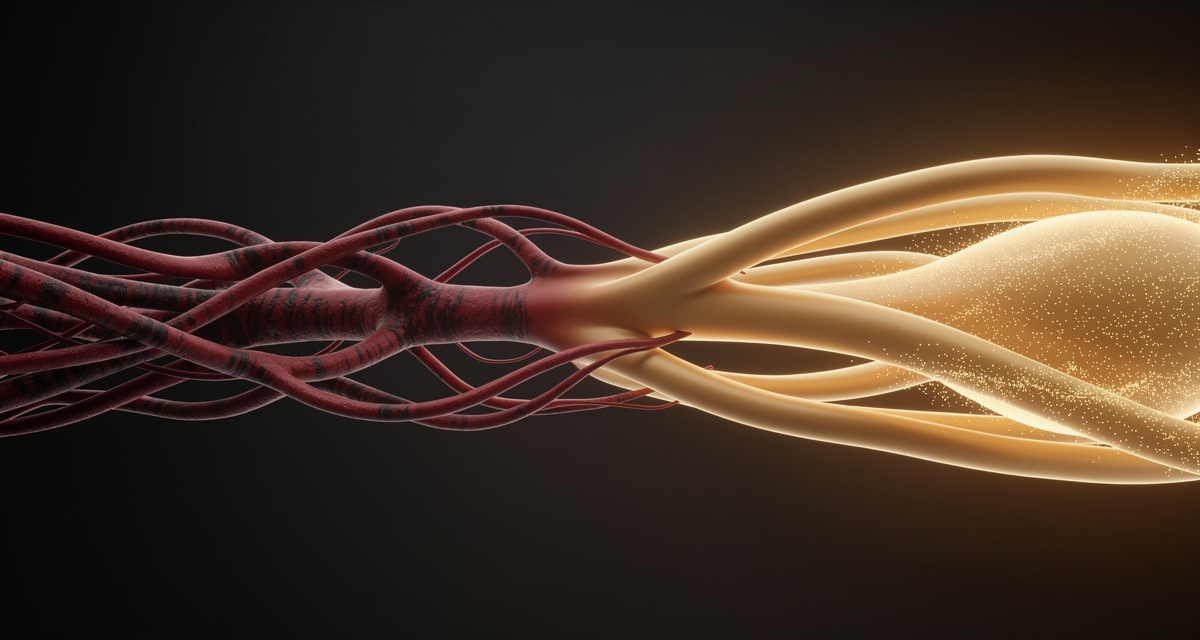
Your morning coffee wakes up your brain—but what’s it doing to your arteries? Caffeine can temporarily tighten blood vessels and nudge blood pressure upward within 30 minutes of your first sip. Yet coffee itself carries hundreds of plant compounds that may actually help your vessels relax and function better hours later. This two-sided story matters because endothelial health is one of the strongest predictors of long-term cardiovascular risk. Here’s what the research actually says—and how to enjoy caffeine without sidelining your vascular system.
Why Blood Vessel Function Matters (And Why Caffeine Plays a Role)
Healthy blood vessels expand and contract easily, delivering oxygen and nutrients where they’re needed. The inner lining, called the endothelium, releases nitric oxide to signal relaxation. When this system falters—often called endothelial dysfunction—your risk for hypertension and cardiovascular disease rises.
Caffeine is everywhere: coffee, tea, sodas, energy drinks, and even some medications. It can acutely raise blood pressure and heart rate in many people, which is why clinicians ask you to skip caffeine for at least 30 minutes before a blood pressure check. That simple step prevents a false high reading and gives a clearer picture of your usual numbers.
The Science of Caffeine and Your Vessels
Caffeine’s main action is to block adenosine receptors. Adenosine normally helps blood vessels relax; when caffeine blocks those receptors, the balance tilts toward constriction and a short-lived blood pressure rise. Sympathetic nervous system activity may also increase, adding to the effect.
But here’s the twist: “caffeine” and “coffee” aren’t the same thing physiologically. Coffee carries hundreds of bioactive compounds, including chlorogenic acids (a type of polyphenol) that research suggests can improve endothelial function in the hours after drinking.
Key takeaways from recent research:
- Caffeine alone can transiently narrow blood vessels through adenosine receptor antagonism and sympathetic stimulation.
- Several randomized studies and a meta-analysis indicate that coffee—particularly when rich in chlorogenic acids—can acutely improve flow-mediated dilation (FMD), a standard ultrasound test of endothelial function.
- Energy drinks tell a different story. Some controlled studies report short-term worsening of endothelial function after a single can, likely due to a mix of caffeine, sugar, and other ingredients. Not every trial shows harm, but enough do to warrant caution.
In-Depth Evidence
Mechanism: Reviews summarize how caffeine’s adenosine receptor blockade and related pathways (including effects on intracellular calcium and phosphodiesterase inhibition) influence vascular tone. Over time, tolerance to some adenosine-related effects can develop, which may blunt day-to-day vascular responses in habitual users.
Nitric oxide: both directions at once. Studies of pure caffeine look contradictory at first. In a forearm model that isolates nitric oxide signalling, acute caffeine augmented endothelium-dependent vasodilation in healthy adults, and blocking nitric oxide synthase removed the benefit, which shows nitric oxide was doing the work. Brachial-artery FMD studies, which capture a broader real-world response, instead found that a single caffeine dose can temporarily reduce FMD, mostly in the first 1–3 hours. The likely reconciliation is that sympathetic activation and the blood pressure rise blunt the whole-artery response, and larger single doses push further in that direction.
Coffee vs. caffeine: A systematic review and meta-analysis of randomized clinical trials found short-term improvements in FMD after coffee consumption, especially after meals, while longer-term trials were neutral overall. Trials isolating chlorogenic acids also report dose-dependent, favorable vascular effects; in one randomized trial, chlorogenic acid increased nitric oxide status and supported endothelial function. That reinforces that coffee’s non-caffeine components matter.
Energy drinks: Controlled studies have documented acute reductions in FMD after consumption, pointing to potential transient endothelial stress. Not all formulations behave the same, but the pattern is concerning, especially alongside elevated blood pressure.
What this means for you: a plain cup of coffee may briefly raise your pressure but can still deliver polyphenols that help vessels respond better. Highly sweetened or stimulant-stacked beverages are more likely to tilt the balance the wrong way, at least acutely.
Beyond the Vessel Wall: Heart Rhythm, Cholesterol and Long-Term Risk
The short-term vascular effects above sit alongside a largely reassuring long-term picture for most healthy adults.
Blood pressure over years. A typical 200–300 mg dose can raise systolic pressure by roughly 5–8 mmHg and diastolic by 3–6 mmHg for several hours, more so in people with hypertension. Habitual coffee drinking, however, is not associated with a higher risk of developing hypertension; recent meta-analyses report neutral to slightly lower risk. Tolerance and coffee’s non-caffeine compounds may offset the short-term pressor effect. (For thresholds and readings if you already have high blood pressure, see caffeine and blood pressure.)
Heart rhythm. Observational cohorts and an updated dose-response meta-analysis find no increased risk of atrial fibrillation with coffee, and some show a modest reduction across usual intakes. In the short randomized CRAVE trial, coffee days brought more premature ventricular contractions (extra beats) but no increase in atrial arrhythmias. If you are prone to palpitations, watch your own symptoms, but routine avoidance isn’t universally required.
Cardiovascular events. An umbrella review covering dozens of cohorts links moderate coffee intake with lower cardiovascular disease incidence and mortality, often in a J-shaped pattern with the lowest risk around 2–4 cups a day and no extra benefit beyond that. Pooled prospective data also show lower stroke risk among regular coffee drinkers. These are associations, not proof that coffee protects the heart.
Cholesterol and brewing method. Unfiltered coffee (French press, boiled, Turkish) contains diterpenes such as cafestol and kahweol that can raise LDL cholesterol. Paper-filtered coffee removes most of them.
Energy drinks are not interchangeable with coffee. In randomized trials, drinking large volumes of energy drinks (32 oz) prolonged the QTc interval on the ECG and raised blood pressure for hours compared with placebo, a potential pro-arrhythmic signal not seen with usual coffee intake. That matters most for people with heart disease or who take QT-prolonging medications.
Practical Ways to Protect Vascular Health While Using Caffeine
Below are evidence-aligned tips to enjoy caffeine without sidelining your blood vessels. Each includes a short “why it works.”
1) Mind the Measurement Window
- What to do: Avoid caffeine for at least 30 minutes before checking your blood pressure at home or in the clinic.
- Why it works: Caffeine can cause a temporary rise of 5–10 mmHg in many people, so skipping it helps prevent a misleading reading and unnecessary worry.
2) Keep Daily Intake Moderate
- What to do: For most healthy adults, stay at or under about 400 mg caffeine per day—roughly up to four 8 oz cups of brewed coffee, depending on strength.
- Why it works: Health authorities identify 400 mg/day as not generally associated with adverse effects for most adults. Sensitive individuals may need less.
3) Choose Your Source Wisely
- What to do: Favor coffee or tea over energy drinks. If you like coffee, consider brews higher in chlorogenic acids (lighter roasts often retain more); minimize added sugar and heavy creamers.
- Why it works: Trials indicate coffee’s polyphenols can acutely improve endothelial function, while several studies report energy drinks can impair it. Less added sugar reduces oxidative stress that can undermine nitric oxide.
4) Prefer Paper-Filtered Coffee If Your LDL Is High
- What to do: Switch from French press, boiled or Turkish coffee to drip or pour-over with a paper filter, and recheck your lipids with your clinician.
- Why it works: Paper filters trap most of the cafestol and kahweol that can raise LDL cholesterol.
5) Watch Dose Size and Timing
- What to do: Split large amounts into smaller servings and avoid very high single doses. If you’re sensitive to blood pressure spikes, try smaller cups earlier in the day.
- Why it works: Single large boluses drive stronger sympathetic responses and greater, temporary vessel constriction; spacing doses tempers peaks. EFSA considers single doses up to about 200 mg generally safe for healthy adults.
6) Pair Caffeine with a Vessel-Friendly Routine
- What to do: Stay hydrated, prioritize movement most days, and eat polyphenol-rich plants (berries, leafy greens, cocoa, nuts). If using caffeine around workouts, keep added sugars modest.
- Why it works: Exercise and polyphenol-rich foods support endothelial nitric oxide and counter oxidative stress—factors tied to better FMD.
7) Know Your Personal Response
- What to do: Track how you feel and how your blood pressure responds. If readings climb or you notice palpitations, anxiety, or headaches, cut back or switch sources.
- Why it works: Individuals vary significantly in caffeine metabolism and sensitivity based on genetics (CYP1A2 variants), age, and habituation. Monitoring helps you find the smallest effective dose that fits your health goals.
8) Be Extra Cautious with Energy Drinks and Concentrated Caffeine
- What to do: If you use energy drinks, stick to single servings and don’t stack them with other caffeine. Avoid bulk powders or liquids with highly concentrated caffeine. If you are pregnant or trying to conceive, ACOG advises keeping caffeine under 200 mg a day.
- Why it works: Even small measurement errors can be dangerous with potent forms; regulators warn about serious risks, including arrhythmias. Stick to conventional beverages.
For more guidance on safe consumption levels and how caffeine interacts with cardiovascular conditions, see our health advice page.
Frequently Asked Questions
Q: Does caffeine cause long-term high blood pressure?
Caffeine reliably raises blood pressure for a short period after consumption, typically 30 minutes to 3 hours. Long-term links are less clear; some habitual drinkers develop tolerance to the pressor effect, while others remain sensitive. Genetics (especially CYP1A2 variants), overall diet, sleep, and activity all play roles. Regardless of long-term effects, accurate measurement matters—avoid caffeine for 30 minutes before any reading.
Q: Does caffeine increase or decrease nitric oxide?
Both can be true. In forearm studies that isolate nitric oxide pathways, caffeine augmented endothelium-dependent vasodilation. In whole-artery FMD tests, especially after larger single doses, caffeine can temporarily reduce FMD. Coffee’s polyphenols often tilt the short-term balance back towards better endothelial responses.
Q: I have atrial fibrillation. Do I need to give up coffee?
Not necessarily. Large cohorts and an updated meta-analysis find no higher AF risk with coffee. Individuals vary, though: if coffee triggers palpitations or worsens your symptoms, cut back and discuss it with your cardiologist.
Q: Is decaf better for my blood vessels?
Decaf contains roughly 2–15 mg of caffeine per cup versus 80–200 mg in regular, so you’ll see much less short-term constriction and blood pressure response. You still get many coffee polyphenols that may support endothelial function, though research often studies regular coffee or isolated chlorogenic acids. For people sensitive to caffeine’s pressor effect, decaf can be a smart compromise.
Q: Which is worse for vessel health—caffeine or sugar?
For many people, the combination is the real issue. Caffeine can constrict vessels transiently; high sugar loads can drive oxidative stress that lowers nitric oxide availability. Several trials specifically implicate energy drinks—often high in both caffeine and sugar—in short-term endothelial impairment. Black coffee or unsweetened tea sidesteps the sugar problem entirely.
Q: Can I improve my vascular response if I’m a heavy caffeine user?
Yes. Tapering gradually (reducing 25–50 mg every few days) lets receptors normalize without triggering withdrawal headaches. Adding polyphenol-rich foods, increasing aerobic activity, and improving sleep all independently support endothelial function. If you’re not ready to reduce caffeine, simply switching from sugared energy drinks to plain coffee or tea is a meaningful upgrade.
Bottom Line
Caffeine can briefly narrow blood vessels and raise blood pressure, while coffee’s polyphenols may help the endothelium function better in the short term. Keep daily intake moderate, favor simpler beverages over energy drinks, and measure blood pressure caffeine-free for 30 minutes to get accurate numbers.
Not sure how much caffeine you’re actually getting across your coffee, tea, and sodas? Count your daily caffeine intake with CaffCalc and see how your total compares to typical ranges →
References & Further Reading
Scientific sources supporting this article:
- FDA: Spilling the Beans—How Much Caffeine Is Too Much?
- EFSA: Caffeine—Topic page and safety summary
- American Heart Association: The rules for measuring blood pressure—and why they exist
- CDC: Measuring Your Blood Pressure—Home monitoring guidance
- StatPearls (NCBI Bookshelf): Caffeine—Mechanism and pharmacology
- Systematic Review and Meta-analysis: Effects of coffee on arterial stiffness and endothelial function (RCTs)
- Randomized trials: Coffee chlorogenic acids improve vascular function
- Review: Coffee and Endothelial Function—A Coffee Paradox?
- Energy drink acutely worsens endothelial function (PubMed)
- PubMed: Acute administration of caffeine augments endothelium-dependent vasodilation via NO
- PubMed: Acute effects of coffee on endothelial function in healthy subjects
- PubMed: Effect of coffee on endothelial function—role of caffeine
- PubMed: Acute effects of chlorogenic acid on nitric oxide status and endothelial function
- PubMed: Acute effect of caffeine on arterial stiffness and aortic pressure waveform
- PubMed: Caffeine and flow-mediated vasodilation
- PubMed: Acute cardiovascular effects of caffeine—blood pressure response
- Nutrition & Metabolism: Coffee intake and risk of hypertension—evidence and mechanisms
- Frontiers in Cardiovascular Medicine: Coffee consumption and atrial fibrillation risk—updated dose-response meta-analysis
- American College of Cardiology: CRAVE trial summary—coffee, arrhythmias, sleep, activity
- BMJ umbrella review: Coffee consumption and health outcomes
- BMC Neurology: Coffee consumption and risk of cerebrovascular disease meta-analysis
- Journal of the American Heart Association: Energy drinks—another cause of QT prolongation?
- PubMed: Impact of high-volume energy drink consumption on ECG and blood pressure
- American Heart Association: Caffeine and heart disease
- ACOG: How much coffee can I drink while pregnant?
- Energy beverage associated with attenuation of endothelial FMD (PMC)
- Cleveland Clinic: Is caffeine raising your blood pressure?
- FDA: Pure and Highly Concentrated Caffeine—Safety concerns
Medical Disclaimer: This article is for informational purposes only and does not constitute medical advice. Consult with a healthcare provider before making significant changes to your caffeine intake, especially if you have underlying health conditions, take medications, or are pregnant or nursing.